How to Grow Lavender Hydroponically (Without Root Rot)
Lavender rots in a typical hydroponic setup. Root it from cuttings in 3 weeks, skip the standing water, and harvest in the afternoon for the strongest scent.

In this guide
Lavender is the one plant on this site that pushes back against the whole idea of hydroponics. Most of what makes soilless growing work, constant moisture, a nutrient reservoir the roots sit in, high humidity, is exactly what kills this plant.
That doesn’t mean skip it. It means build the setup backwards from what you’d use for mint or lettuce: less water, more drainage, and patience with a slower, woodier plant.
The short version
- Skip standing water entirely. Lavender needs "perfectly drained soil, preferably on the dry side" and dies out in wet conditions, per NC State Extension. Use LECA or a coarse, free-draining media instead.
- Grow from cuttings, not seed. Colorado State University Extension recommends propagating English lavender vegetatively for consistent plants.
- Give it real sun. Lavender wants 6 or more hours of direct light a day, closer to a fruiting crop than a leafy green.
- Harvest later than you'd think. A 2023 gene-expression study found the plant's scent compounds actually peak in the afternoon, not the classic "cut it at dawn" advice.
Which Lavender Should You Grow?
Stick with English lavender (Lavandula angustifolia). It’s the hardiest type and the one most growing guides are actually written about, hardy through USDA zones 5 to 7 and reliable indoors well beyond that range, per Colorado State University Extension.
French and Spanish lavender look similar but are fussier about cold and humidity, and most home hydroponic setups don’t need the extra difficulty. If you see “lavandin” for sale, that’s a hybrid bred for bigger flower spikes and oil production, worth trying once you’ve got English lavender down.
| English (L. angustifolia) | French/Spanish (L. dentata / L. stoechas) | |
|---|---|---|
| Hardiness | Best for indoor and cooler climates | Prefers warm, dry, humidity-free air |
| Flower shape | Simple spike, no top “ears” | Showy purple bracts fan out on top |
| Scent | Sweet, classic lavender | Sharper, more camphor-like |
| Best for a first try | Yes | Not yet, save it for later |
Skip seed starting if you can. CSU Extension recommends propagating lavender vegetatively from cuttings rather than growing it from seed, because seed-grown plants are slow to establish and inconsistent from one plant to the next. A cutting from a plant you already like gives you a predictable copy in a fraction of the time.
For everything else worth growing this way, see our full plant library.
How Do You Root Lavender Cuttings?
This is the easy part, and it doesn’t need any special hydroponic gear.
- Wait until right after the plant finishes flowering, then look for stems with no flower buds on them. These root far more reliably than flowering stems.
- Cut a 4 to 6 inch length of stem just below a leaf node, using a clean, sharp blade.
- Strip the leaves off the bottom half of the cutting so nothing sits below the media line and rots.
- Push the stripped end into a well-draining, sterile mix. A 60:40 coco coir to perlite blend, or straight vermiculite, both work well.
- Keep the mix barely moist, never soaked, and set it somewhere bright but out of harsh direct sun while it roots.
- Expect roots in about three weeks. Once you feel resistance when you tug gently, it's ready to move to its permanent home.
Rooting hormone isn't necessary here. University extension guidance is clear that lavender cuttings root reliably without it, so don't feel like you're missing a step by skipping it.
What System and Media Actually Work?
Forget deep water culture for this one. A reservoir with roots hanging in it is close to the exact conditions that rot lavender.
LECA (lightweight expanded clay pebbles) is the better fit. It drains fast, resists compacting, and lets air reach the roots the way lavender’s native rocky, sharp-draining soil does. An ebb-and-flow tray works too, as long as you flood briefly and let it drain completely rather than keeping the tray wet.
Hydroponic lavender at a glance
- Species: English, Lavandula angustifolia
- Propagation: stem cuttings, not seed
- Media: LECA, or 60:40 coco:perlite
- System: ebb and flow with a full drain, not standing water
- Light: 6+ hours, full sun or a strong grow light
- Water pH: toward the higher end of normal, around 6.2-6.8
- Rooting time: about 3 weeks
- First harvest: roughly 10-12 weeks after a rooted cutting is planted
On pH: in soil, lavender wants neutral to alkaline conditions, pH 6.0 and above, per NC State Extension. Hydroponic nutrient solutions don’t behave exactly like soil, so don’t push all the way up to true soil alkalinity, that risks locking out nutrients. Aim for the upper end of the normal hydroponic band instead, around 6.2 to 6.8, rather than the 5.5 to 6.0 most leafy greens prefer. Our pH and nutrients guide covers the basics of mixing and metering if this is new to you.
Give it real light. Outdoors, lavender wants 6 or more hours of direct sun a day. Indoors, that means a proper grow light positioned close and left on for a long day, not the ambient light that keeps a pothos happy.
How Often Should You Water It?
Less often than feels right. Established lavender is drought-tolerant, and the extension guidance for in-ground plants is to water only every two to three weeks until buds form, then once or twice a week through harvest.
You won’t stretch a hydroponic dry-back quite that far, but the principle carries over directly: let the media dry out between waterings rather than keeping it constantly wet. If you’re used to running an aerated jar for mint or basil, this will feel like underwatering. It isn’t. It’s the difference between a plant that lives for years and one that rots in a month.
When Should You Harvest, and Does Time of Day Matter?
Cut flower spikes once most of the buds along the stem have opened but before they start to fade. That’s the point of peak oil content across most lavender research.
Here’s the part that surprises people: the classic advice to cut lavender at dawn doesn’t hold up well under closer study. A 2023 gene-expression study in Physiologia tracked the genes that build lavender’s scent compounds through the day and found they follow the plant’s internal clock, with linalool and linalool acetate, the two compounds responsible for lavender’s classic smell, building up toward the afternoon rather than peaking at dawn.
For a home harvest, that means don’t stress over racing outside at sunrise. Cutting in the afternoon, once the day has warmed but before you’re deep into evening, lines up with when the plant has actually built up the most fragrance. What matters more than the exact hour is avoiding the heat of a scorching midday sun, which does still cause some of the more volatile oils to dissipate before you get the stems inside.
Cut the whole flower spike, not individual florets, using clean shears just above a set of leaves.
How Do You Dry Lavender After Harvest?
Bundle 5 to 10 stems together with a rubber band (it tightens as the stems shrink while drying, unlike string) and hang the bundles upside down.
Pick a spot that’s dark, dry, and has decent airflow. A closet with the door cracked or a spare room away from windows both work. Direct sun bleaches the color and cooks off the same volatile oils you just harvested for.
Give it one to two weeks. The stems should snap cleanly, not bend, when they’re fully dry. Strip the buds off into an airtight jar and store it somewhere dark; light and heat are still the enemy after drying, not just before it.
What Goes Wrong with Hydroponic Lavender?
Roots turn brown and mushy. Root rot, and it’s the single most common failure with this plant. It almost always means too much standing water or a media that stays wet too long. Switch to LECA or a coarser mix and let it dry back fully between waterings. Our root rot guide covers the full recovery process if it’s already underway.
Leggy, pale growth with weak scent. Not enough direct light. Lavender grown like a shade-tolerant houseplant survives but never produces much oil. Move it under a stronger grow light for a longer day.
Cuttings won’t root. Usually the stem was taken from a flowering shoot instead of a non-flowering one, or the media stayed too wet and the base rotted before roots formed. Try again with a bud-free stem in a barely-damp mix.
Weak smell even after a good harvest. Check your harvest timing and drying setup before blaming the plant. Cutting too early in the flowering cycle, or drying somewhere warm and bright, both cost you scent that a darker, cooler process would have kept.
Can lavender actually grow in a hydroponic system?
Yes, but not in the standing-water setups that work for mint or basil. Lavender needs perfectly drained roots and will rot in heavy, wet soil (NC State Extension), so it needs a free-draining media like LECA or a coco-perlite mix with real dry-back time between waterings.
Should I start lavender from seed or cuttings?
Cuttings. Colorado State University Extension recommends propagating English lavender vegetatively from cuttings rather than seed, since seed-grown plants are slow and inconsistent. Take cuttings from healthy stems right after the plant finishes blooming.
Do I need rooting hormone for lavender cuttings?
No. University extension guidance says rooting hormones are not necessary for lavender cuttings. Remove the lower leaves, insert the stem into a well-draining, sterile mix, and expect roots in about three weeks.
When is the best time to harvest lavender for the strongest scent?
Later than most gardening advice claims. A 2023 gene-expression study in Physiologia found lavender’s scent compounds, linalool and linalool acetate, peak in the afternoon, not the morning, with production tied to the plant’s internal daily clock.
Why do hydroponic lavender plants keep dying?
Almost always root rot from too much standing water. Lavender’s roots need oxygen and dryness between waterings, so the same constantly-flooded setup that keeps lettuce happy will rot lavender within weeks.
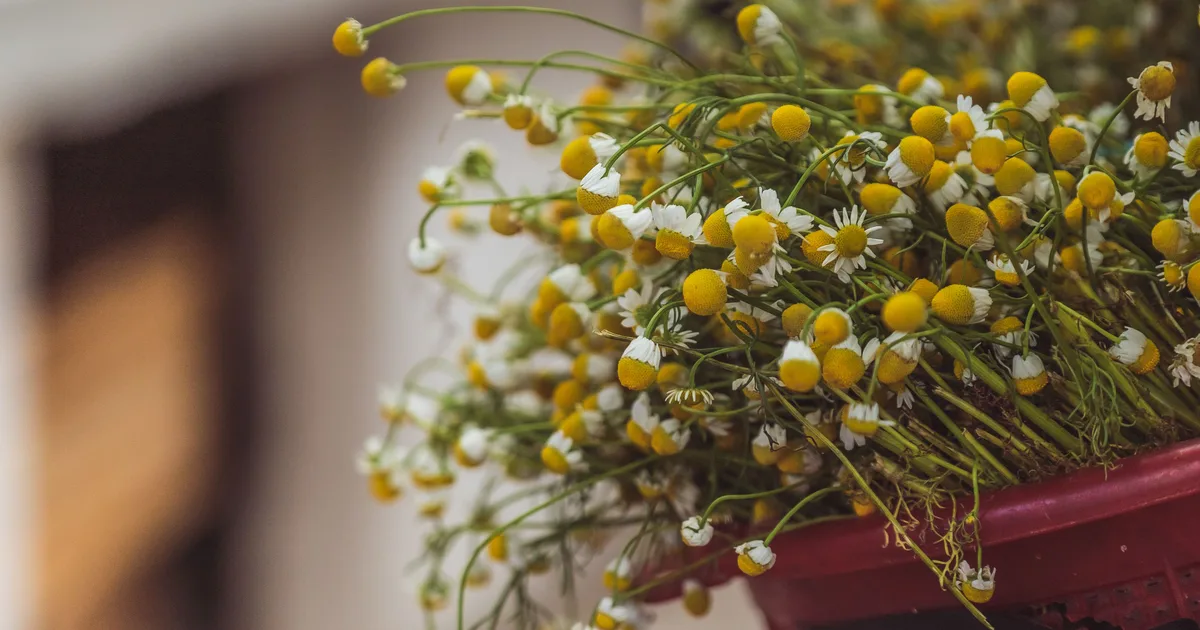
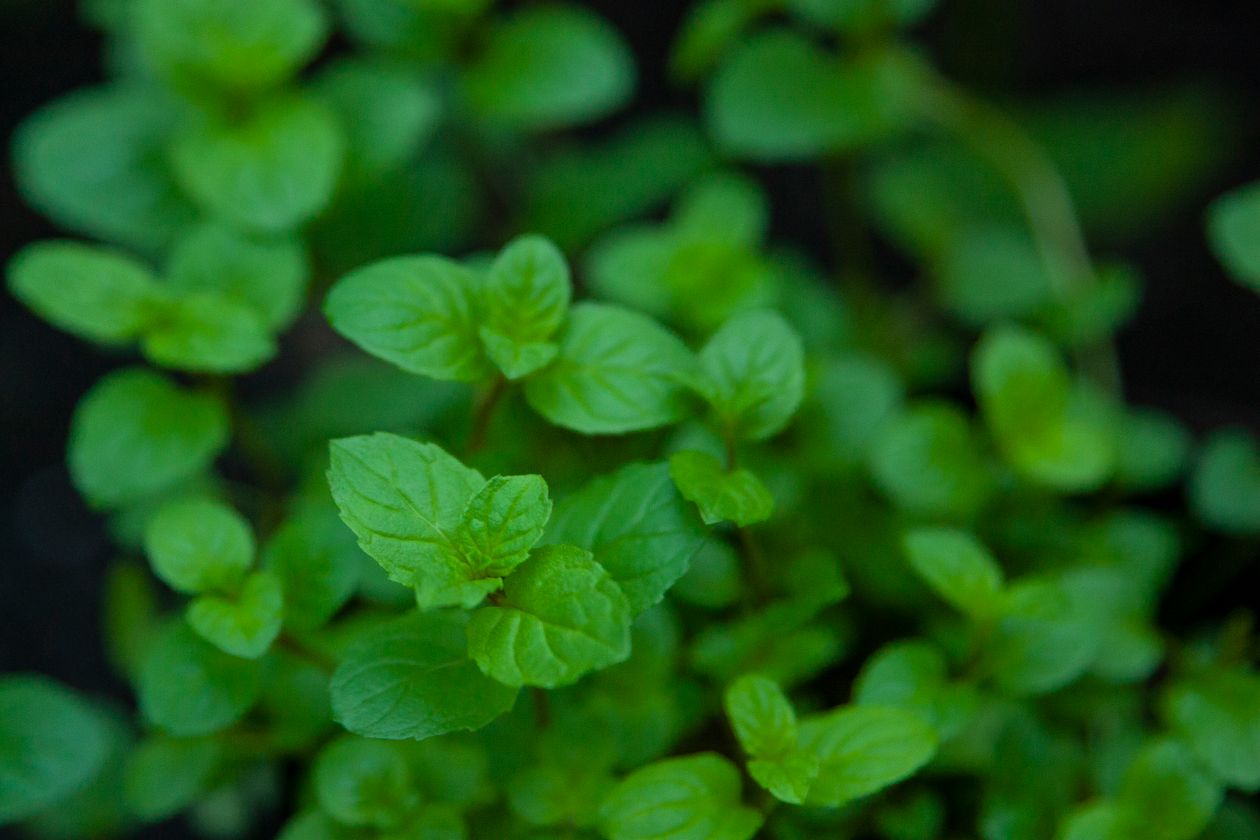
Grow it in something that drains fast, water it less than instinct tells you to, and don’t rush the harvest to catch a sunrise that the research says doesn’t matter as much as you’d think. Pair it with chamomile or mint and lemon balm for a wellness herb shelf that covers most of what a tea drawer needs.
Lavender buds are the floral note in a homegrown bedtime blend, where a little goes further than most people expect.
Sources (4)
- Colorado State University Extension, Growing Lavender in Colorado, retrieved 2026-07-28, https://extension.colostate.edu/resource/growing-lavender-in-colorado/
- NC State Extension, North Carolina Extension Gardener Plant Toolbox, Lavandula angustifolia, retrieved 2026-07-28, https://plants.ces.ncsu.edu/plants/lavandula-angustifolia/
- Ask Extension (eXtension), Propagating lavender, retrieved 2026-07-28, https://ask.extension.org/kb/faq.php?id=416074
- Physiologia, Gene Expression of Monoterpene Synthases Is Affected Rhythmically during the Day in Lavandula angustifolia Flowers, 2023, https://doi.org/10.3390/physiologia3030030