How to Grow Edible Flowers Hydroponically (EC + Safety Guide)
Nasturtium and calendula root and bloom hydroponically at EC 0.8-1.8 mS/cm. See the best varieties, light needs, and toxic lookalikes to never eat.
In this guide
Most “edible flowers” guides are written for soil gardeners, and none of them tell you what EC to run or which varieties will actually root in water. That gap matters, because flowering hydroponic plants behave differently than the lettuce and basil most guides cover.
Nasturtium, calendula, and viola root fast and bloom reliably in a nutrient solution. But they need more light than leafy greens, a different nutrient ratio once buds form, and a much harder safety rule: not every pretty flower is safe to eat, hydroponic or not.
The short version
- Easiest varieties: nasturtium, calendula, viola, and signet marigold root and bloom reliably in NFT or DWC at EC 0.8-1.8 mS/cm.
- More light than greens: flowering crops need a Daily Light Integral of 25-35 mol/m2/day, roughly double what leafy herbs need (MDPI, 2024).
- Never eat a lookalike: foxglove, delphinium, and lily of the valley closely resemble edible blooms and contain lethal toxins (NC State Extension).
- Skip florist flowers: only eat blooms you grew yourself from organic, food-grade seed.
Which Edible Flowers Grow Well Hydroponically?
Nasturtium, calendula, viola, and signet marigold are the most forgiving edible flowers for soil-free growing. All four root quickly from seed, tolerate a wide EC range, and produce blooms within 4-8 weeks under NFT or DWC.
Nasturtium (Tropaeolum majus) is the easiest starting point. The whole plant is edible, flower, leaf, and young seed, with a sharp, peppery bite. It roots fast in Deep Water Culture and blooms in 28-35 days, but its vigorous roots can clog narrow NFT channels, so give it a wide channel or a raft (a 2021 PMC plant-factory study).
Calendula (Calendula officinalis) produces bright orange and yellow petals with a tangy, saffron-like flavor. It thrives in recirculating NFT or DWC at EC 1.2-1.8 mS/cm and pH 6.0-6.5, and a 2024 MDPI plant-factory study found a longer photoperiod boosts both yield and flavor compounds.
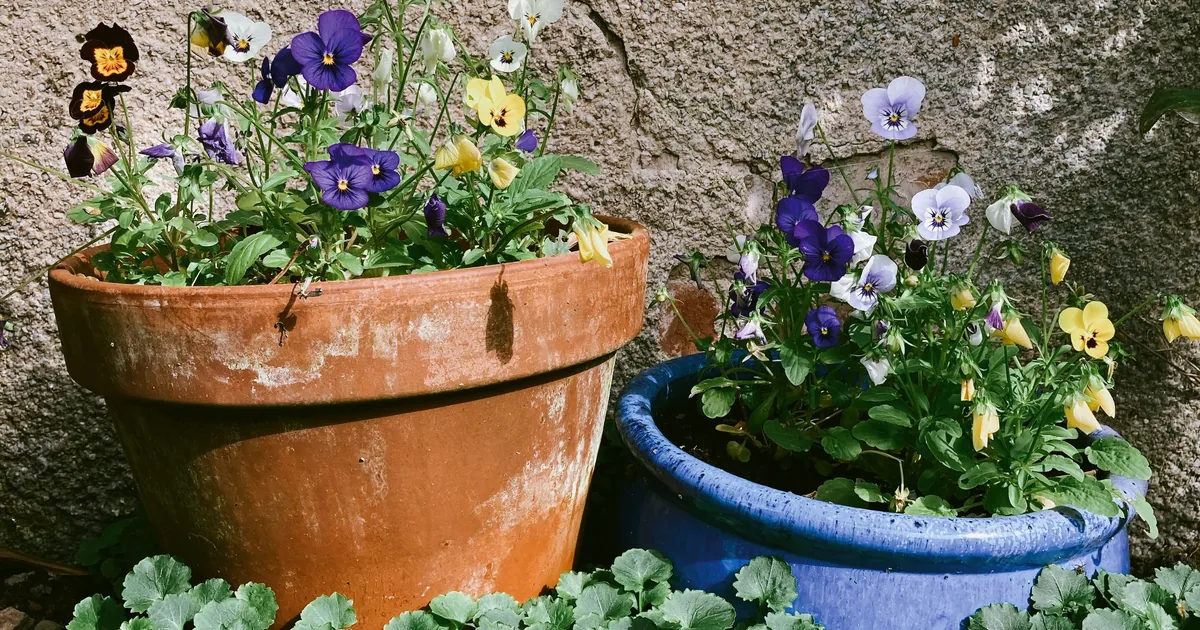
Viola and pansy (Viola x wittrockiana) stay compact, making them a good fit for vertical NFT towers or dense DWC rafts. They bloom continuously at EC 1.2-1.6 mS/cm with a mild, sweet, faintly floral taste.
Signet marigold (Tagetes signata) adds a citrusy, herbal note and tolerates EC 1.0-1.6 mS/cm. Eat the petals in moderation since they carry concentrated essential oils, and double-check the label. Tagetes lucida looks similar but its sap can cause a phototoxic skin reaction, per NC State Extension’s plant toolbox.
Three more worth knowing: chive blossom (savory onion flavor, EC 1.2-1.8), dianthus/pinks (clove-scented petals, but the leaves contain mildly toxic saponins), and borage (cucumber-flavored, but use sparingly due to trace alkaloids).
| Flower | EC (mS/cm) | pH | Best system | Days to bloom |
|---|---|---|---|---|
| Nasturtium | 0.8-1.4 | 5.8-6.5 | DWC, large NFT | 28-35 |
| Calendula | 1.2-1.8 | 6.0-6.5 | NFT, DWC | 45-60 |
| Viola / pansy | 1.2-1.6 | 5.8-6.2 | NFT, DWC, vertical | 35-45 |
| Signet marigold | 1.0-1.6 | 6.0-6.5 | NFT, DWC | 40-50 |
| Chive blossom | 1.2-1.8 | 6.0-6.5 | Ebb & flow, media | 60-75 |
| Dianthus / pinks | 1.2-1.8 | 6.0-6.8 | NFT, drip media | 50-65 |
| Borage | 1.0-1.5 | 5.8-6.5 | DWC, media bed | 40-50 |
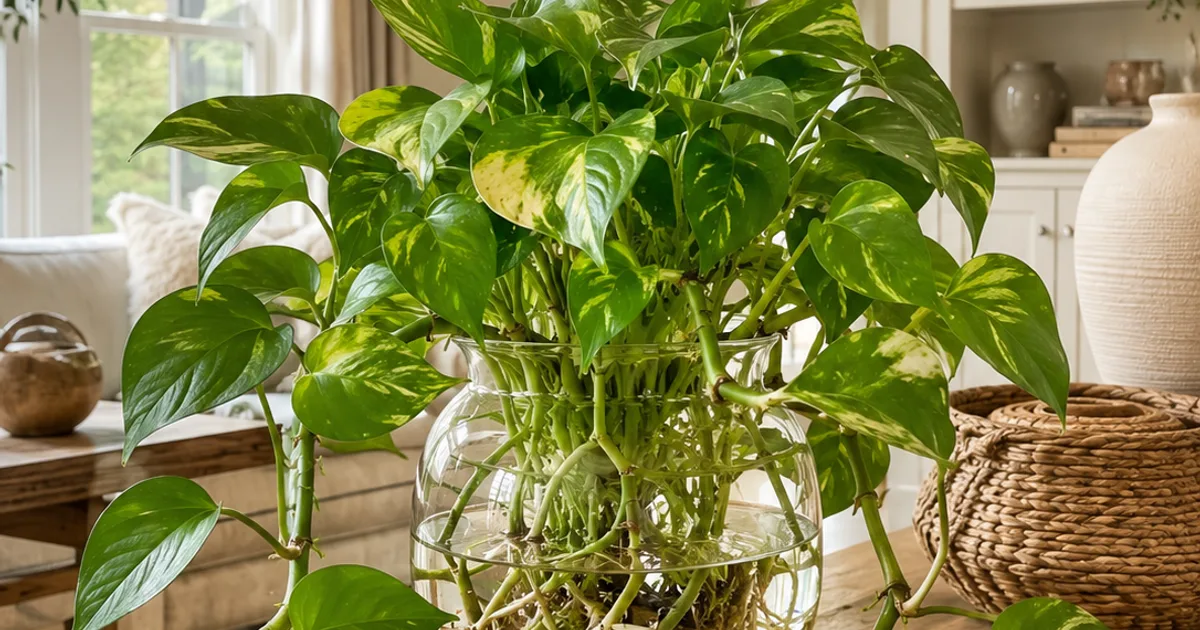
If you’d rather skip flowers entirely, our houseplant list covers dependable jar-and-vase growing for non-edible greenery instead.
What System and Light Do Flowering Plants Need?
Flowering plants need more oxygen and light than foliage crops. Active NFT or DWC systems outperform passive Kratky jars once a plant moves past the seedling stage, since blooming increases root respiration and demands 6-8 mg/L of dissolved oxygen at the roots.
Keep solution temperature between 18-21°C (65-70°F) to protect that oxygen level, and size NFT channels at least 10cm wide so nasturtium’s vigorous roots don’t clog the flow.
Light is the bigger jump. Leafy greens saturate around 12-17 mol/m2/day of Daily Light Integral, but the MDPI calendula study found flowering plants need 25-35 mol/m2/day to push carbohydrates into bud development instead of just leaves. Over an 18-hour photoperiod, that works out to roughly 385 micromol/m2/s of light intensity at the canopy.
The payoff is real. The same 2021 PMC nasturtium study found that raising DLI from 17.3 to 34.6 mol/m2/day doubled biomass and bloom output without stressing the plant.
Nutrients need to shift too. High nitrate above 150 ppm N tells a plant to keep building leaves instead of flowers, so once buds appear, cut nitrogen and raise potassium and phosphorus. A bloom-stage nitrogen-to-potassium ratio around 1:2 or 1:3, plus steady calcium (120-160 ppm) and a touch of boron (0.5 ppm), keeps bud walls strong. For how these EC numbers compare to other crops, see our nutrient mix, pH, and EC guide.
Which Flowers Are Not Safe to Eat?
Never eat a flower unless you grew it yourself and can name its exact species. Several toxic ornamentals closely resemble popular edible blooms, and the growing method doesn’t change their chemistry, per NC State Extension’s edible flower guide.
| Toxic flower | Resembles | Why it’s dangerous |
|---|---|---|
| Foxglove (Digitalis purpurea) | Calendula, bellflower | Cardiac glycosides cause severe arrhythmia |
| Delphinium / larkspur | Viola, pea blossom | Alkaloids cause neuromuscular blockade |
| Lily of the valley | Sweet alyssum | Convallatoxin causes dangerous bradycardia |
| Oleander | Rose, dianthus | Oleandrin is a lethal cardiac glycoside |
| Sweet pea | Edible pea blossom | Lathyrane toxins cause paralytic lathyrism |
Follow five rules before eating anything you grow:
- Never eat florist or garden-center flowers. Systemic pesticides soak into the tissue and can't be washed off.
- Remove stamens and pistils before eating. Pollen turns bitter and can trigger allergic reactions.
- Trim the bitter white heel at the base of petals like dianthus, rose, and marigold.
- Introduce any new flower in a small amount first to check your tolerance.
- Harvest in the cool morning, wash gently, and store at 2-4°C (35-39°F).
Common Problems Growing Edible Flowers Hydroponically
Three issues cause most hydroponic flower failures: too much nitrogen, root rot, and algae. All three are fixable once you know the trigger.
No blooms, just leaves. High nitrate keeps a plant in vegetative mode. Flush the reservoir with clean water for 24 hours, then switch to a bloom formula with a lower nitrogen-to-potassium ratio and a DLI of at least 25 mol/m2/day.
Root rot from Pythium. Water above 22°C (72°F) speeds up oxygen loss and lets Pythium spores take hold, causing tissue death and dropped blooms. Cool the reservoir to 18-20°C (64-68°F), add more aeration, and see our full root rot fix guide for the complete treatment steps.
Algae in the channel. Bright light hitting exposed nutrient solution feeds algae, which competes for oxygen and swings pH. Light-proofing every net pot and channel cover stops it at the source. Our guide on stopping algae for good covers the full fix.
What is the easiest edible flower to grow hydroponically?
Nasturtium and viola. Nasturtium roots fast in DWC and blooms in 28-35 days (PMC, 2021), while viola tolerates a wide EC range and blooms continuously under indoor LED light.
Can you eat any flower grown hydroponically?
No. A flower’s toxicity comes from its genetics, not how it was grown. Foxglove and delphinium make the same lethal cardiac glycosides and alkaloids in nutrient solution as they do in soil, per NC State Extension.
Do edible flowers need more light than culinary herbs?
Yes. Leafy herbs like parsley and mint saturate around 12-16 mol/m2/day of Daily Light Integral, while flowering crops need 25-35 mol/m2/day to fuel bud differentiation and bloom (MDPI, 2024).
What EC range should I run for hydroponic edible flowers?
Most edible flowers thrive between 0.8 and 1.8 mS/cm overall. Start seedlings at 0.8-1.0 mS/cm, then move to 1.2-1.8 mS/cm with more potassium and phosphorus once flower buds appear.
Can you grow roses hydroponically for the petals?
You can, but it’s an advanced project. Miniature roses need over 30 mol/m2/day of light and precise humidity control to avoid powdery mildew, so calendula or dianthus is the simpler edible-flower choice for beginners.
Pick nasturtium or viola if you want your first bloom fast, and keep the toxic-lookalike table nearby until you can identify every flower in your kitchen garden by name. For the EC and system fit of everything else worth growing hydroponically, see our full best-plants ranking.
Sources (7)
- PMC, Continuous Lighting and High Daily Light Integral Enhance Yield and Quality of Mass-Produced Nasturtium (Tropaeolum majus L.) in Plant Factories, retrieved 2026-07-27, https://pmc.ncbi.nlm.nih.gov/articles/PMC8231634/
- MDPI, Lighting Patterns Regulate Flowering and Improve the Energy Use Efficiency of Calendula Cultivated in Plant Factories with Artificial Lighting, retrieved 2026-07-27, https://www.mdpi.com/2077-0472/14/12/2208
- NC State Extension Publications, Choosing and Using Edible Flowers, retrieved 2026-07-27, https://content.ces.ncsu.edu/pdf/choosing-and-using-edible-flower/2019-11-07/AG_s_web_110619.pdf
- NC State Extension Gardener Plant Toolbox, Tagetes lucida, retrieved 2026-07-27, https://plants.ces.ncsu.edu/plants/tagetes-lucida/
- NC State Extension Gardener Plant Toolbox, Dianthus, retrieved 2026-07-27, https://plants.ces.ncsu.edu/plants/dianthus/
- NC State Extension Gardener Plant Toolbox, Borago officinalis, retrieved 2026-07-27, https://plants.ces.ncsu.edu/plants/borago-officinalis/
- University of Minnesota Extension, Edible Flowers, retrieved 2026-07-27, https://extension.umn.edu/gardening-minnesota/edible-flowers