How to Grow Mint and Lemon Balm Hydroponically
Hydroponic mint gives its first cut in 3–4 weeks. Exact EC, pH, and morning harvest timing for peak menthol, plus the full-flower potency trick for lemon balm.
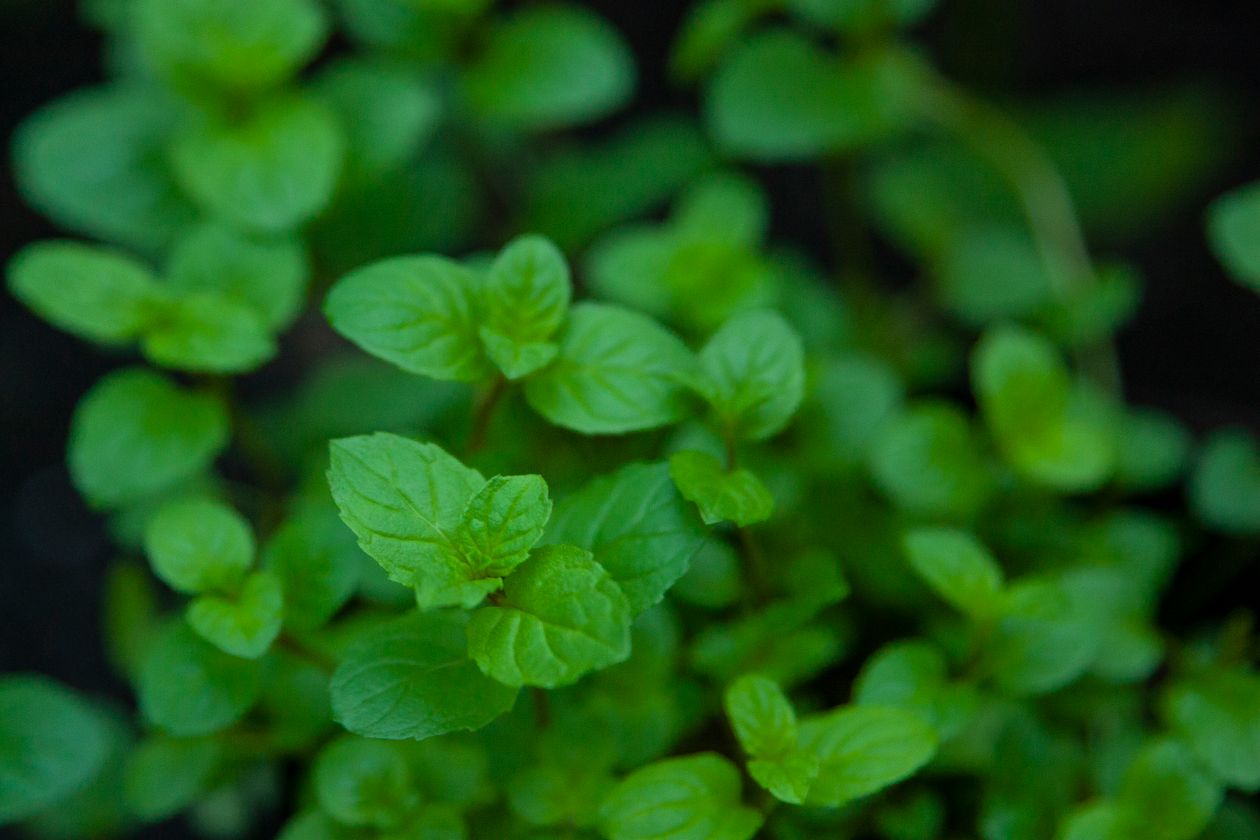
Mint gives its first cut in 3–4 weeks. Lemon balm follows at 4–6. Both grow in a jar on your windowsill with no soil, no garden, and no outdoor season.
Most guides stop at “set your EC and wait.” None of them tell you that mint’s menthol content is significantly higher when you harvest in the morning, or that lemon balm’s key calming compound actually peaks when the plant is in full flower, not before. These are peer-reviewed findings, and they change how you time your harvest.
Here is the full grow method for both herbs, with exact parameters and the harvest timing most articles skip. New to soilless growing? Start with the complete hydroponics beginner guide before diving in.
The short version
- Mint: EC 2.0–2.4 mS/cm, pH 6.0–7.0, first cut in 21–28 days from cutting. Must grow in its own isolated container. No exceptions.
- Lemon balm: EC 1.0–1.6 mS/cm, pH 5.5–6.5, first cut in 28–42 days from seed. Can share a reservoir with non-spreading herbs.
- Harvest mint in the morning for the highest menthol content (PMC, 2023).
- Harvest lemon balm just before flowering for citrus aroma, or at full flower for peak rosmarinic acid (calming potency).
Why Grow Mint and Lemon Balm Hydroponically?
Hydroponics removes the two most common failure modes of soil cultivation: inconsistent watering and soil-borne pathogens like Pythium and Verticillium. Both herbs grow faster in a controlled water environment than in any pot.
The benefit is even more pronounced for lemon balm. In 2021, a controlled trial published in Industrial Crops and Products compared Melissa officinalis grown in traditional soil beds against soilless systems including perlite and aeroponic setups. Caffeic acid and methyl rosmarinate (two potent anti-inflammatory phenolic compounds) increased 6–8 times in soilless cultivation compared to soil-grown baselines (ScienceDirect).
For apartment growers, there is also the simple advantage of access: both herbs produce year-round indoors, regardless of season.
Which System Works Best?
Both herbs grow well in Kratky, DWC, and NFT. For a first wellness herb setup, a passive Kratky jar is the simplest entry point: no pump, no electricity, and no maintenance beyond topping up the reservoir. See the full Kratky method guide for the setup details.
Mint must always grow in its own container. Its stolons spread horizontally through shared root zones and physically choke out neighboring plants. Beyond the physical problem, mint also releases allelopathic chemicals into the nutrient solution that inhibit the growth of neighboring species, a biological defense mechanism documented for Lamiaceae family herbs in peer-reviewed literature (PMC, 2022). Lemon balm does not behave this way and can share a reservoir with basil or parsley.
How Do You Grow Mint Hydroponically?
Start from cuttings, not seeds. A 3–4 inch stem cutting roots in 5–7 days and reaches first harvest in 3–4 weeks. Seed germination alone takes 10–15 days with lower initial vigor than a cutting from a healthy parent plant.
Propagation
- Take a 3–4 inch apical stem cutting from a healthy mint plant, slicing at a 45-degree angle directly below a leaf node. Grocery store mint works fine as a donor plant.
- Strip leaves from the lower 1.5 inches of stem, leaving 2–3 pairs of upper leaves to limit water loss.
- Suspend the cut end in clean water or press it into a pre-moistened rockwool cube. Adventitious roots emerge in 5–7 days.
- Transfer to your hydroponic system once roots reach 1–2 inches long.
Growing parameters
| Parameter | Target |
|---|---|
| EC | 2.0–2.4 mS/cm |
| pH | 6.0–7.0 |
| Temperature | 65–70°F (18–21°C) |
| Light | 14–16 hours/day |
| First harvest | 21–28 days from cutting |
EC below 1.2 mS/cm produces thin, leggy growth with significantly reduced essential oil yield. Mint is more nutrient-hungry than most herbs. Do not apply standard low-EC herb settings to it.
Stolon management. Mint sends horizontal runners from the root crown that seek out new substrate. In a shared system, they wrap around pumps and clog channels. Prune stolons weekly. Harvest by cutting back no more than one-third of the plant’s height, always directly above a leaf node: two new shoots grow from the node below every cut.
Harvest timing for peak menthol. A 2023 peer-reviewed study evaluated Mentha spicata essential oil harvested at 9 AM, 1 PM, and 5 PM. Menthol made up 91.56–95.68% of the essential oil across all samples. The highest menthol concentration and peak antioxidant activity were consistently recorded from the 9 AM harvest. Afternoon light exposure and rising temperatures progressively reduced both menthol content and antioxidant activity (PMC10675317). Harvest in the morning, before grow lights reach peak intensity.
How Do You Grow Lemon Balm Hydroponically?
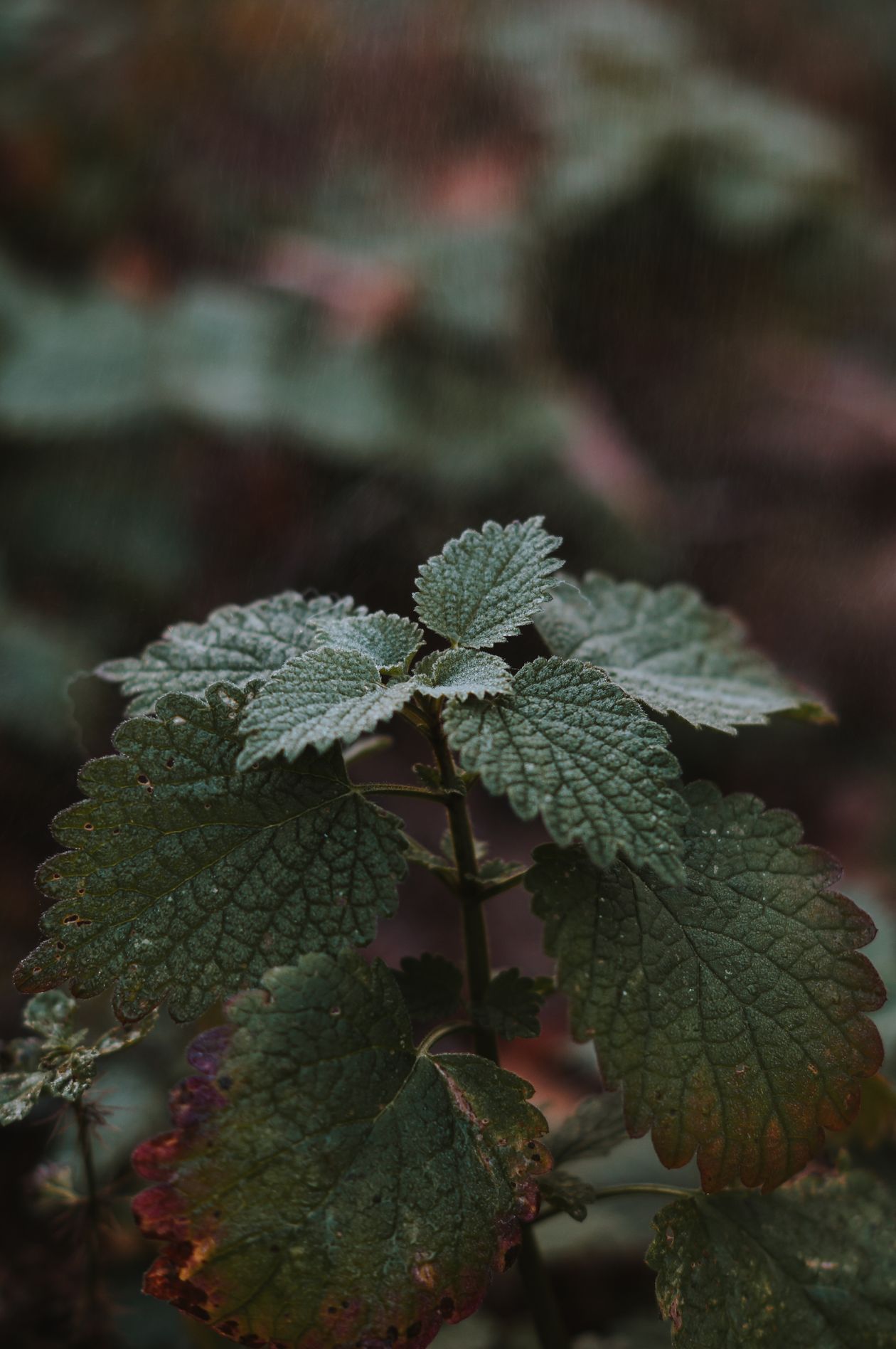
Lemon balm is the more beginner-friendly of the two. It germinates reliably from seed, tolerates a wider temperature range, and shares a reservoir without issue.
Propagation. Lemon balm seeds are photoblastic: they require light to germinate. Press seeds lightly onto the moist surface of a rockwool cube or coco plug rather than burying them. Maintain 68–72°F (20–22°C) under a humidity dome. Sprouts appear in 7–10 days, and seedlings are ready to transplant in 3–4 weeks.
Growing parameters
| Parameter | Target |
|---|---|
| EC | 1.0–1.6 mS/cm |
| pH | 5.5–6.5 |
| Temperature | 65–75°F (18–24°C) |
| Light | 14–16 hours/day |
| First harvest | 28–42 days from seed |
Lemon balm is highly sensitive to root-zone salinity. EC above the upper range causes osmotic stress, leaf tip burn, and stunted growth. Stay within 1.0–1.6 mS/cm and increase gradually only as the plant matures.
Nitrogen source matters. Lemon balm responds unusually well to nitrogen form. In 2024, a study published in PubMed on Melissa officinalis in floating hydroponic systems found that plants supplied with 100% nitrate nitrogen produced the highest dry biomass (105.57 g/plant) and the greatest concentrations of total phenolics, flavonoids, and chlorophyll compared to mixed nitrate-ammonium treatments (PubMed). Choose a nutrient formula that delivers nitrogen primarily in nitrate form.
Harvest timing for peak rosmarinic acid. Rosmarinic acid is the primary therapeutic compound in lemon balm, associated with GABA modulation and calming effects. A 2023 study in MDPI Agronomy on Melissa officinalis cultures found that rosmarinic acid concentration rose from approximately 3.50% dry weight just before flowering to 3.91% during full flower (MDPI Agronomy). For citrus aroma and flavor, harvest before flowers open when volatile essential oils are highest. For maximum calming potency, wait until full bloom, then pinch back the spent flowering stems to stimulate new vegetative growth.
For more on nutrient management across a long-running herb crop, see keeping your hydroponic nutrient solution balanced.
How Do Mint and Lemon Balm Compare?
Both herbs share a growing season and light schedule, but their EC tolerance, propagation method, and reservoir rules are different enough that treating them identically will cost you a harvest.
| Parameter | Mint | Lemon Balm |
|---|---|---|
| Optimal EC | 2.0–2.4 mS/cm | 1.0–1.6 mS/cm |
| Optimal pH | 6.0–7.0 | 5.5–6.5 |
| Temperature | 65–70°F (18–21°C) | 65–75°F (18–24°C) |
| Days to first harvest | 21–28 (from cutting) | 28–42 (from seed) |
| Reservoir sharing | Isolated only | Can share |
| Harvest trigger | Early morning, pre-flower | Pre-flower (aroma) or full flower (potency) |
| Key compound | Menthol (91.56–95.68%) | Rosmarinic acid (peaks at 3.91%) |
How Do You Dry and Brew These Herbs?
Both herbs can be used fresh or dried, but temperature during drying determines how much of what you grew actually survives into the cup. Research on lemon balm drying profiles found that convective drying at 95°F (35°C) produced the lowest essential oil loss at 24.28%. Raising the temperature to 140°F (60°C) caused 63.95% essential oil loss and destroyed key aromatic compounds including neral and geranial.
Drying mint: Tie harvested stems in small, loose bunches and hang in a dark, ventilated room at 68–86°F (20–30°C) for 5–7 days. A leaf is ready when it crumbles cleanly between your fingers.
Drying lemon balm: Spread individual leaves in a single layer on a food-grade screen. Do not bunch them, as lemon balm’s high moisture content traps humidity and leads to mold. Dry at 95°F (35°C) for 3–5 days, then store in airtight amber glass jars to prevent light-induced oxidation.
Lemon balm loses most of its scent when dried. Use fresh leaves for tea whenever possible. Dried lemon balm still carries rosmarinic acid, but the aromatic experience is significantly flatter than fresh.
Fresh mint tea: Bruise 5–6 leaves gently and steep in 195°F (90°C) water for 5 minutes. Water slightly below boiling preserves menthol better than a full rolling boil.
Fresh lemon balm tea: Tear 6–8 fresh leaves and pour 195°F (90°C) water over them. Cover the vessel immediately to trap escaping volatile compounds, and steep for 7–10 minutes.
Frequently Asked Questions
Can you grow mint from grocery store cuttings hydroponically?
Yes. Select a fresh, sturdy stem, cut at a 45-degree angle below a leaf node, and strip the lower leaves. Place it in clean water and roots appear in 5–7 days. Transfer to your hydroponic system once roots reach 1–2 inches long.
Can mint and lemon balm share the same hydroponic reservoir?
No. Mint releases allelopathic chemicals into shared water that suppress neighboring plants, and its stolons physically choke out root systems within weeks. Always grow mint in its own isolated container. Lemon balm, by contrast, can share a reservoir with basil or parsley safely.
Why does my hydroponic mint taste weak?
Two likely causes: EC too low (target 2.0–2.4 mS/cm; below 1.2 mS/cm gives thin, leggy plants with reduced essential oil yield), or harvesting too late in the day. Research shows morning harvest gives the highest menthol content. Afternoon light and heat progressively reduce it (PMC10675317).
When should I harvest lemon balm for the best tea?
It depends on your goal. For bright citrus aroma, harvest just before flowers open. For maximum calming potency, wait until full bloom: rosmarinic acid, the compound that modulates GABA activity, peaks at 3.91% dry weight at full flower, versus about 3.50% at the pre-flower stage.
How long does one mint plant produce in a hydroponic system?
A hydroponic mint plant can produce continuously for 6–12 months with correct pruning: cut back by one-third every few weeks, always above a leaf node. When the root mass becomes too dense in the net cup, take fresh cuttings and restart. That resets the cycle without buying new seed.
Keep Growing
- Mint gives peak menthol in the morning, must be isolated in its own container, and needs higher EC than most herbs (2.0–2.4 mS/cm).
- Lemon balm is the easier herb: germinates from seed on the surface (photoblastic), prefers 100% nitrate nitrogen, and gives its therapeutic best at full flower.
- Both work in Kratky, DWC, or NFT. Kratky is the simplest starting point for a single jar.
- Fresh use beats dried for lemon balm. Mint works equally well either way.
Browse the full plant library to see what else to grow alongside your wellness herbs.
Sources (8)
- PMC. “Effects of Harvest Time and Hydrodistillation Time on Yield, Composition, and Antioxidant Activity of Mint Essential Oil.” PMC10675317. https://pmc.ncbi.nlm.nih.gov/articles/PMC10675317/ retrieved 2026-06-29
- ScienceDirect. “The changes in growth parameters, qualities, and chemical constituents of lemon balm (Melissa officinalis L.) cultivated in three different hydroponic systems.” Industrial Crops and Products, 2021. https://www.sciencedirect.com/science/article/abs/pii/S0926669021000777 retrieved 2026-06-29
- PubMed. “Phytochemical and morpho-physiological response of Melissa officinalis L. to different NH4+ to NO3- ratios under hydroponic cultivation.” 2024. https://pubmed.ncbi.nlm.nih.gov/39407126/ retrieved 2026-06-29
- PMC. “Allelopathic Properties of Lamiaceae Species: Prospects and Challenges to Use in Agriculture.” PMC9182988. https://pmc.ncbi.nlm.nih.gov/articles/PMC9182988/ retrieved 2026-06-29
- ResearchGate. “Effect of water deficit on yield and quality of lemon balm (Melissa officinalis L.).” https://www.researchgate.net/publication/310386424 retrieved 2026-06-29
- MDPI Agronomy. “Agronomic Practices in Lemon Balm Production under Temperate Climate Conditions: Raw Material Yield and Active Substances Content.” 2023. https://www.mdpi.com/2073-4395/13/5/1433 retrieved 2026-06-29
- Redalyc. “Effect of drying parameters on the physicochemical, microbiological, and sensory properties of lemon balm (Melissa officinalis L.).” https://www.redalyc.org/journal/1799/179978626010/html/ retrieved 2026-06-29
- PMC. “Physiological responses of hydroponically-grown Japanese mint under nutrient deficiency.” PMC6766367. https://pmc.ncbi.nlm.nih.gov/articles/PMC6766367/ retrieved 2026-06-29