19 Beautiful Houseplants You Can Grow Hydroponically Indoors
19 popular houseplants that thrive in plain water or LECA, with the method, light, and rooting time for each. No soil, no mess, less watering.
In this guide
- Two ways to grow houseplants without soil
- All 19 at a glance
- 1. Pothos
- 2. Monstera
- 3. Heartleaf Philodendron
- 4. Spider Plant
- 5. Money Tree
- 6. Peace Lily
- 7. Orchid
- 8. Lucky Bamboo
- 9. English Ivy
- 10. Chinese Evergreen
- 11. Syngonium
- 12. Begonia
- 13. Prayer Plant
- 14. Tradescantia
- 15. Pilea
- 16. Spiderwort
- 17. Sweet Potato Vine
- 18. Nasturtium
- 19. Marigold
- How to keep water-grown houseplants thriving
- Frequently Asked Questions
You don’t need soil to grow a stunning indoor garden. Many of the most popular houseplants in America root and grow happily in plain water or clay pebbles, and they often stay cleaner, need less frequent watering, and let you watch the roots develop through the glass.
Two methods cover almost every plant on this list. Most fast-rooting tropicals live permanently in a jar of water. A few, like orchids and money tree, prefer LECA semi-hydro so their roots stay moist without the crown sitting in standing water. Here are 19 that work, with the method, light, and rooting time for each.
The short version
- Easiest in plain water: pothos, heartleaf philodendron, spider plant, tradescantia, and lucky bamboo root in days and live in water for months.
- Better in LECA semi-hydro: money tree and orchids rot if their base sits in water, so use clay pebbles that wick moisture up instead.
- Give them light: most want bright, indirect light. Flowering edibles like nasturtium and marigold need a real grow light to bloom indoors.
- Feed and refresh: add diluted hydroponic nutrients and change the water every 1 to 2 weeks, or growth stalls and roots rot.
Two ways to grow houseplants without soil
Water culture is the simplest: cut a healthy stem below a node, drop it in a clean glass of water, and new roots form on their own. This suits soft-stemmed tropicals whose roots tolerate constant submersion. It’s the classic “propagate in a jar” method, just kept going permanently.
LECA semi-hydro uses lightweight expanded clay pebbles that soak up water from a reservoir below and wick it to the roots, leaving air gaps in between. That airflow is what keeps plants like orchids and money tree, which rot in standing water, healthy for the long term. For a deeper primer on soilless growing, start with our beginner’s guide to hydroponics.
All 19 at a glance
| Plant | Best method | Light | Roots in |
|---|---|---|---|
| Pothos | Water | Low to bright indirect | 1-2 weeks |
| Monstera | Water or LECA | Bright indirect | 2-4 weeks |
| Heartleaf Philodendron | Water | Low to medium | 1-2 weeks |
| Spider Plant | Water | Bright indirect | 1-2 weeks |
| Money Tree | LECA | Bright indirect | Transplant established plant |
| Peace Lily | Water (crown above line) | Low to medium | 2-3 weeks |
| Orchid | LECA | Bright indirect | Transplant established plant |
| Lucky Bamboo | Water | Low to medium | Sold pre-rooted |
| English Ivy | Water | Medium to bright | 1-2 weeks |
| Chinese Evergreen | Water | Low | 2-3 weeks |
| Syngonium | Water | Bright indirect | 1-2 weeks |
| Begonia | Water | Bright indirect | 2-4 weeks |
| Prayer Plant | Water | Bright indirect | 2-3 weeks |
| Tradescantia | Water | Bright | Days to 1 week |
| Pilea | Water | Bright indirect | 2-3 weeks |
| Spiderwort | Water | Bright | About 1 week |
| Sweet Potato Vine | Water | Bright | 1-2 weeks |
| Nasturtium | DWC or Kratky | Grow light | Grown from seed |
| Marigold | DWC or Kratky | Grow light | Grown from seed |
1. Pothos
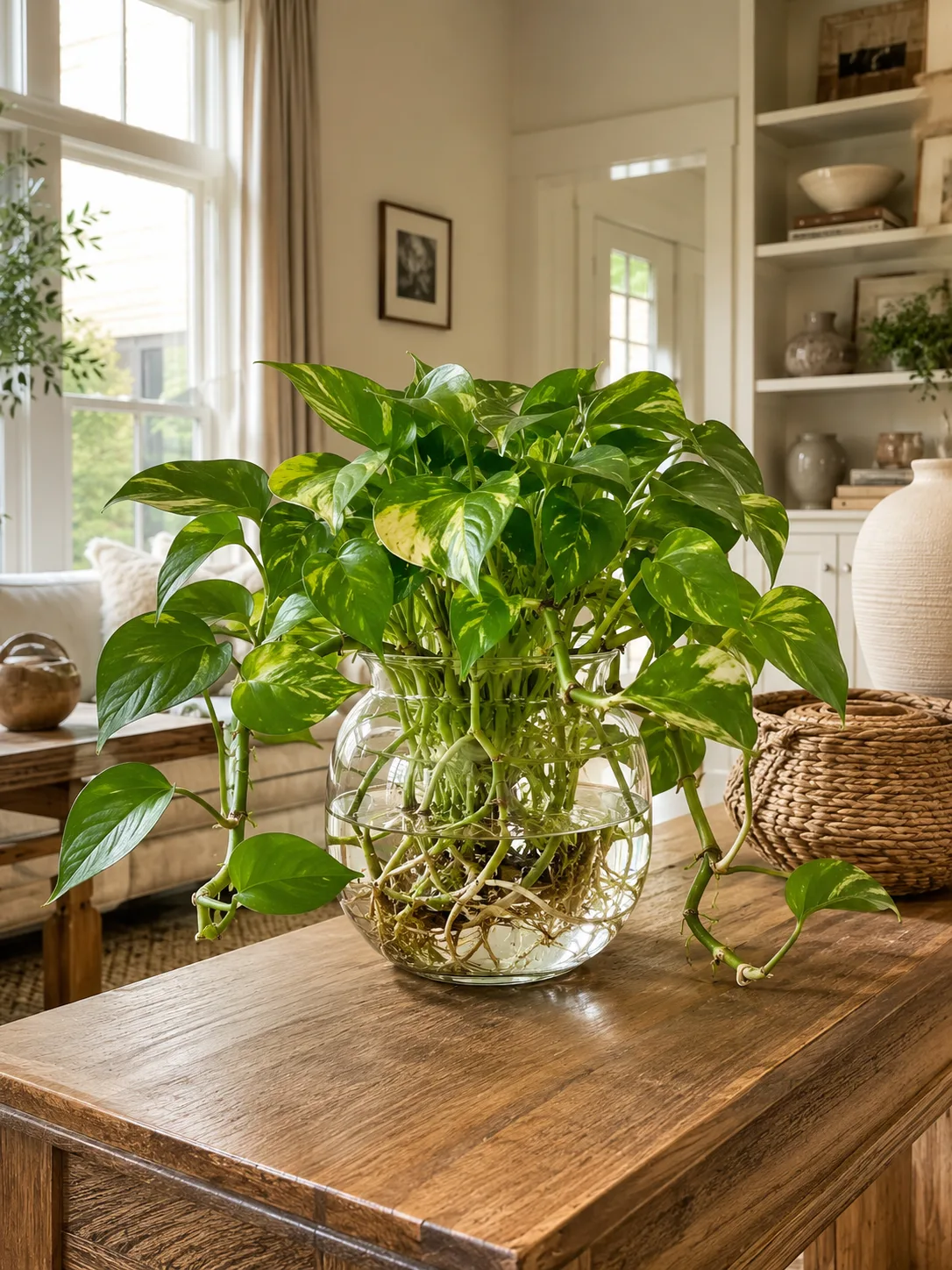
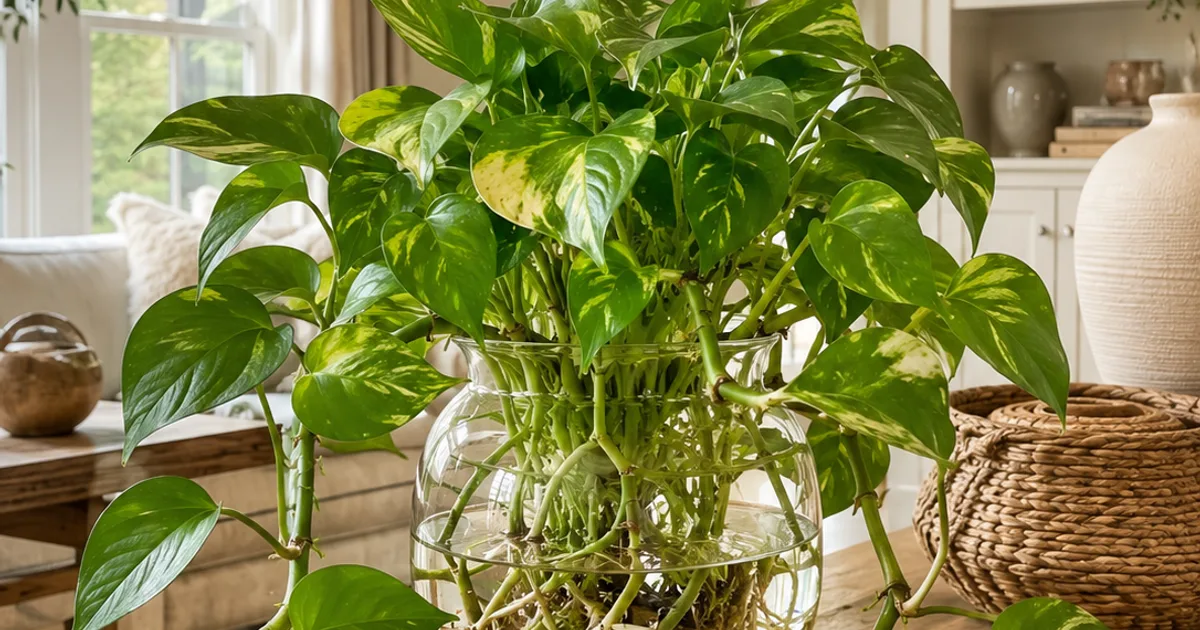
The easiest hydroponic houseplant you can own. Cut a stem below a node, place it in water, and roots appear within one to two weeks, even in low to medium light.
2. Monstera
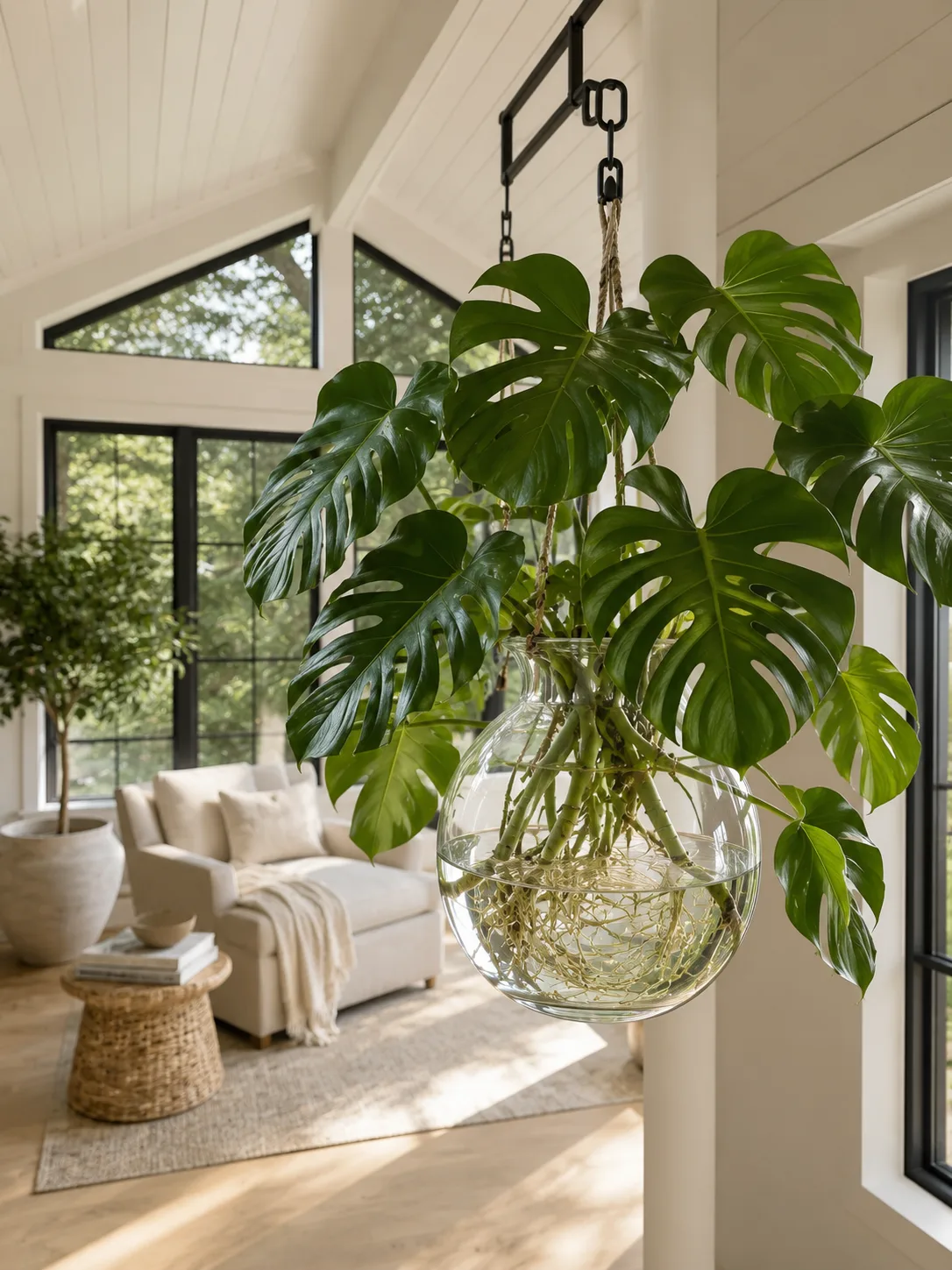
Its dramatic, fenestrated leaves make an instant statement, and cuttings taken with an aerial root root readily in water. Give it bright, indirect light and expect new roots within a few weeks.
3. Heartleaf Philodendron
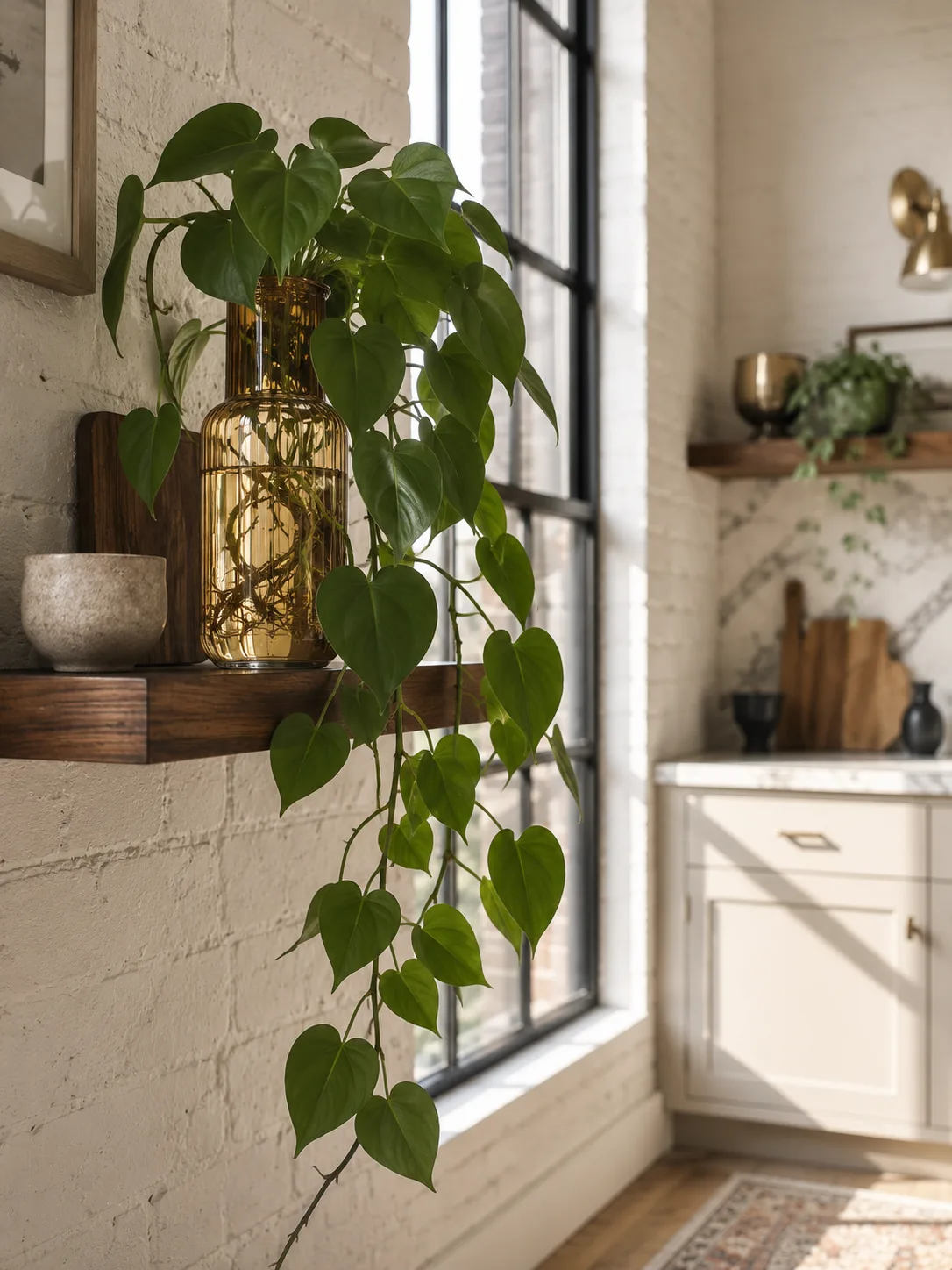
A trailing tropical favorite that roots effortlessly in water and keeps pushing out heart-shaped leaves for months. It tolerates lower light than most on this list, making it ideal for a shelf away from the window.
4. Spider Plant
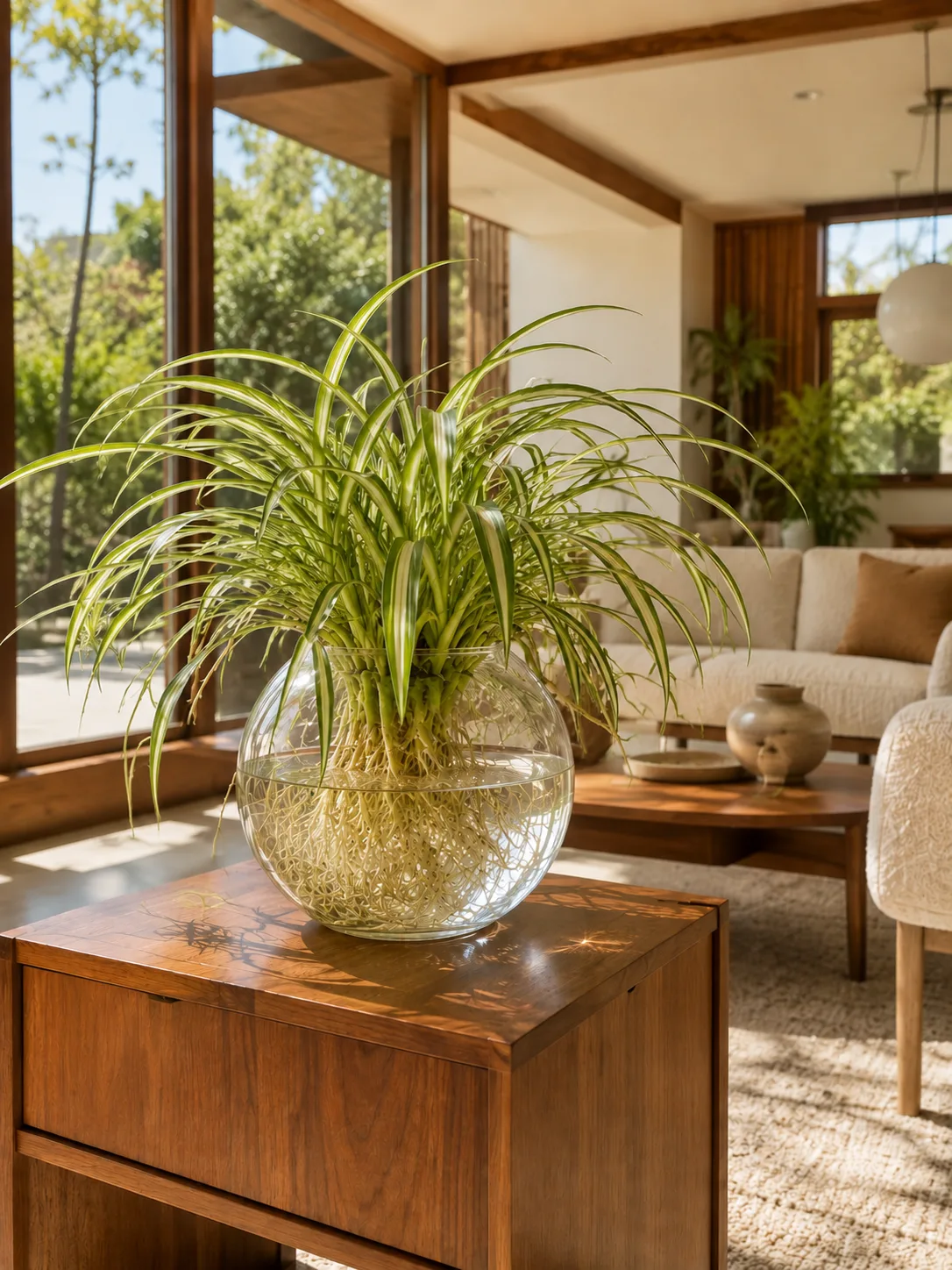
One of the most forgiving houseplants alive. Snip a baby offshoot (a “pup”) and set it in water, where it roots in a week or two and rewards you with cascading foliage in bright, indirect light.
5. Money Tree
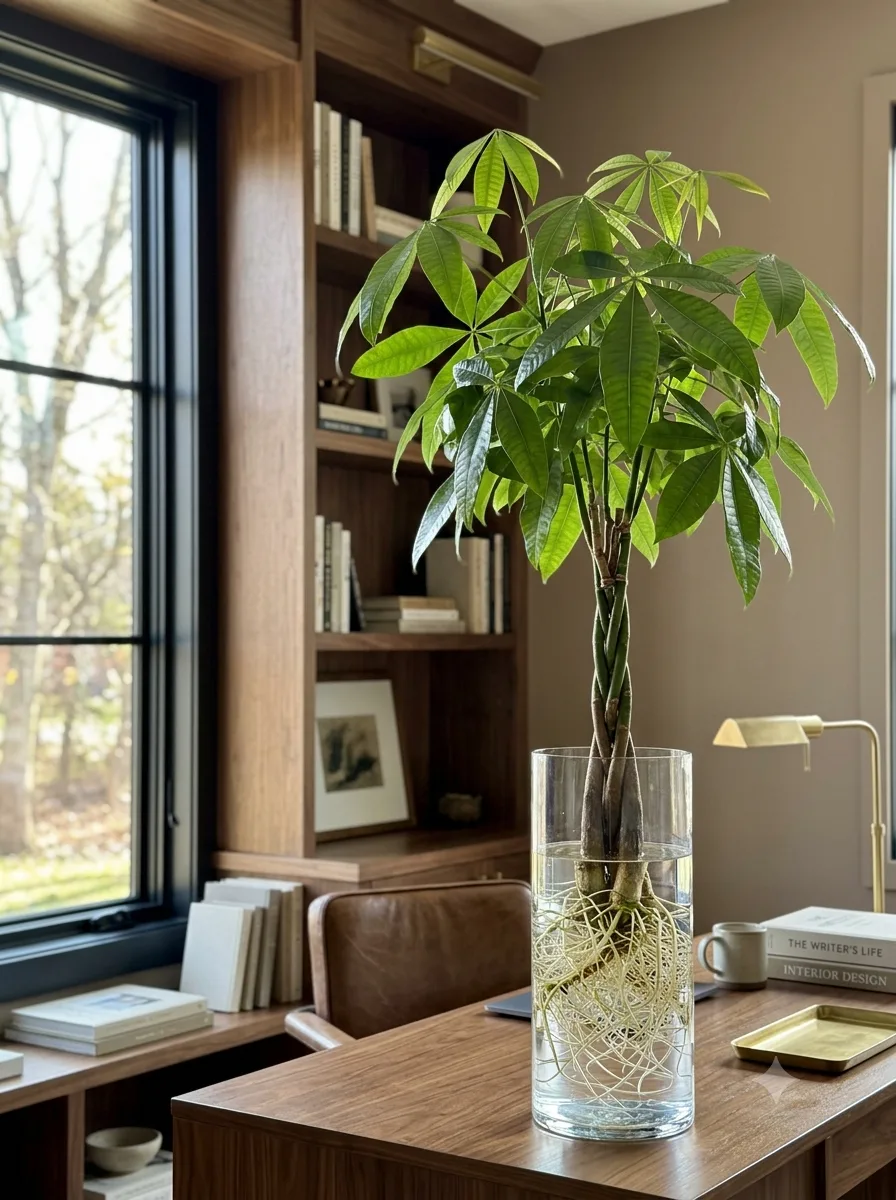
Native to tropical wetlands, this braided-trunk beauty does best in a LECA semi-hydro setup. Keep the pebbles moist but the trunk itself out of standing water, or the base will rot.
6. Peace Lily
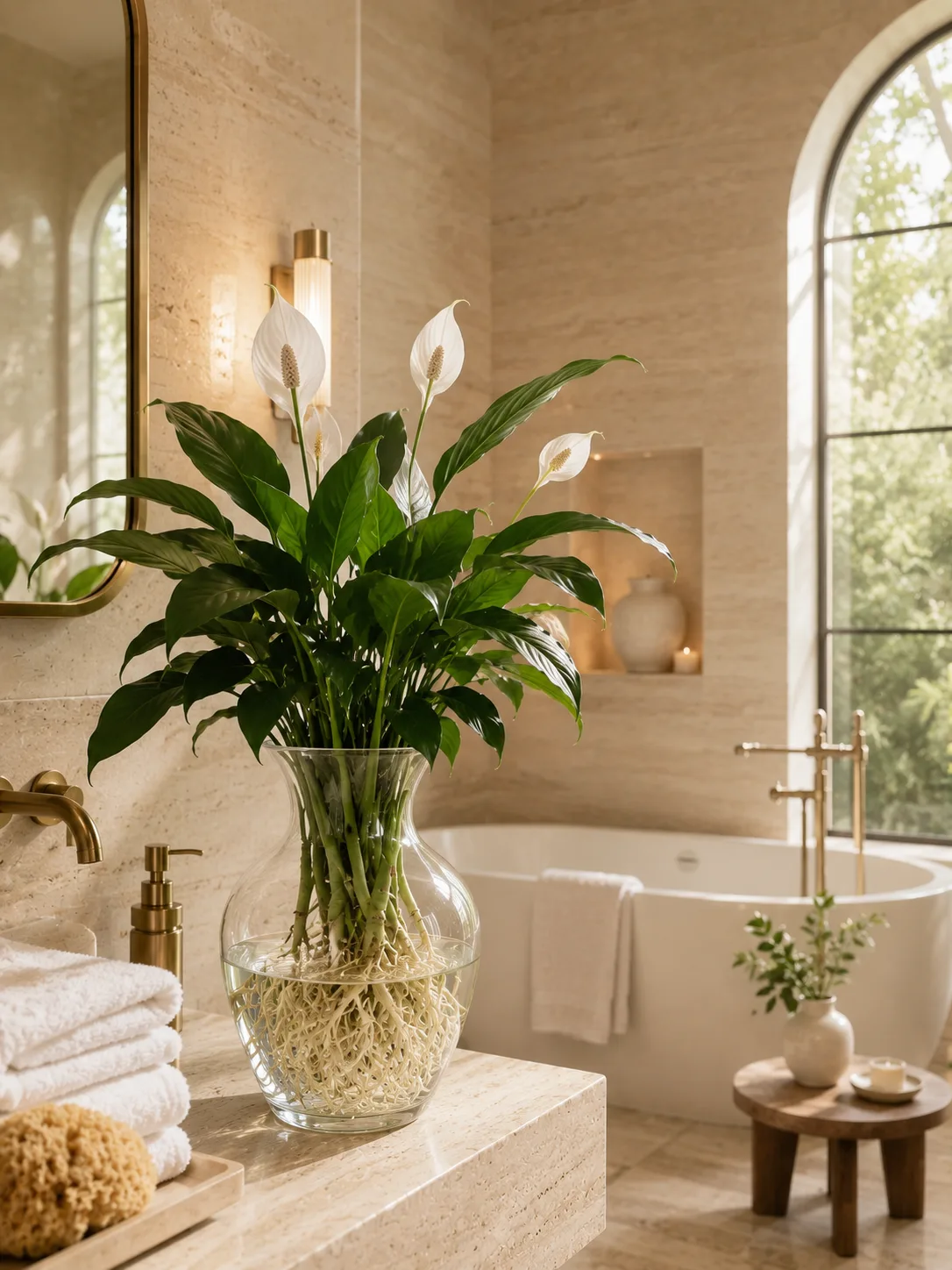
One of the plants from NASA’s Clean Air Study, the peace lily grows glossy leaves and white blooms in water culture as long as the crown stays above the water line. Only the roots should be submerged; a rotted crown is the usual cause of failure.
7. Orchid
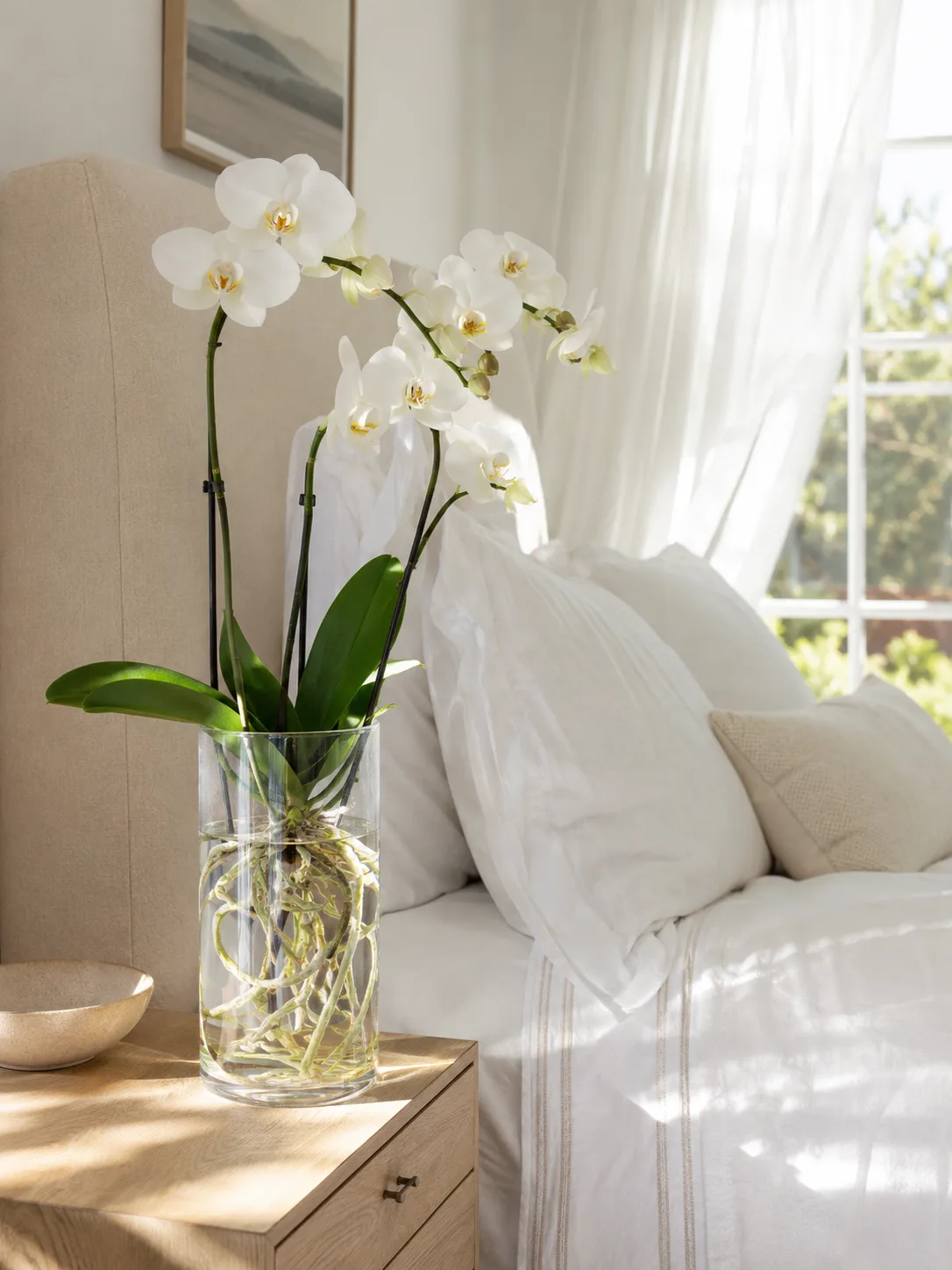
Moth orchids (Phalaenopsis) do surprisingly well in semi-hydro using LECA clay pebbles, which mimic the airy, moisture-balanced conditions of their natural habitat on tree branches. The wet-then-dry cycle in the pebbles is what keeps their roots from suffocating.
8. Lucky Bamboo
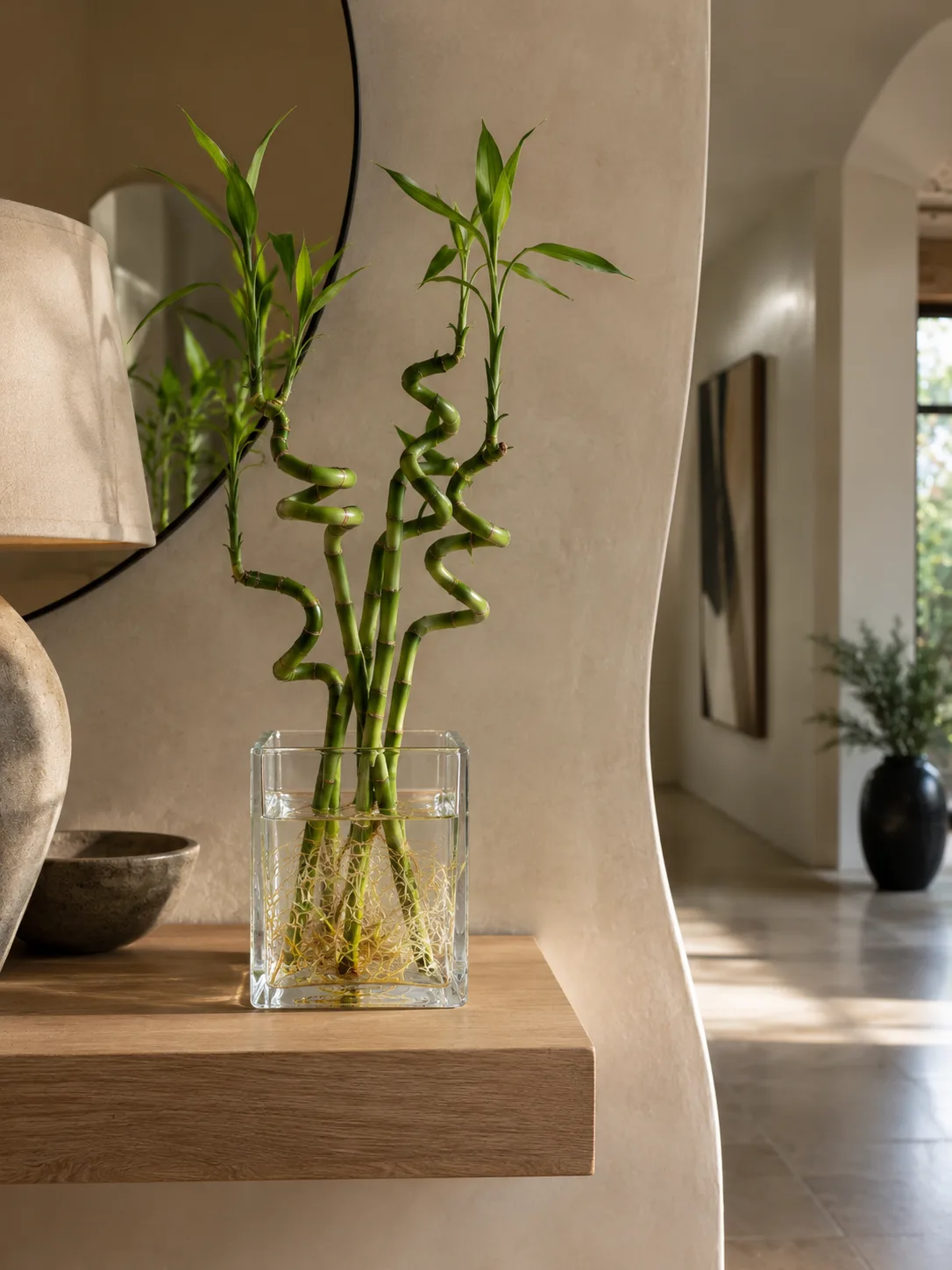
Technically a Dracaena, not bamboo at all, this classic water-grown plant has thrived in vases in American homes for decades. Keep the roots covered, change the water every week or two, and give it low to medium light.
9. English Ivy

A vigorous trailing plant that roots quickly in water and will climb or cascade over any surface you give it. Keep it indoors and contained: English ivy is invasive outdoors in much of the U.S. and mildly toxic if eaten.
10. Chinese Evergreen
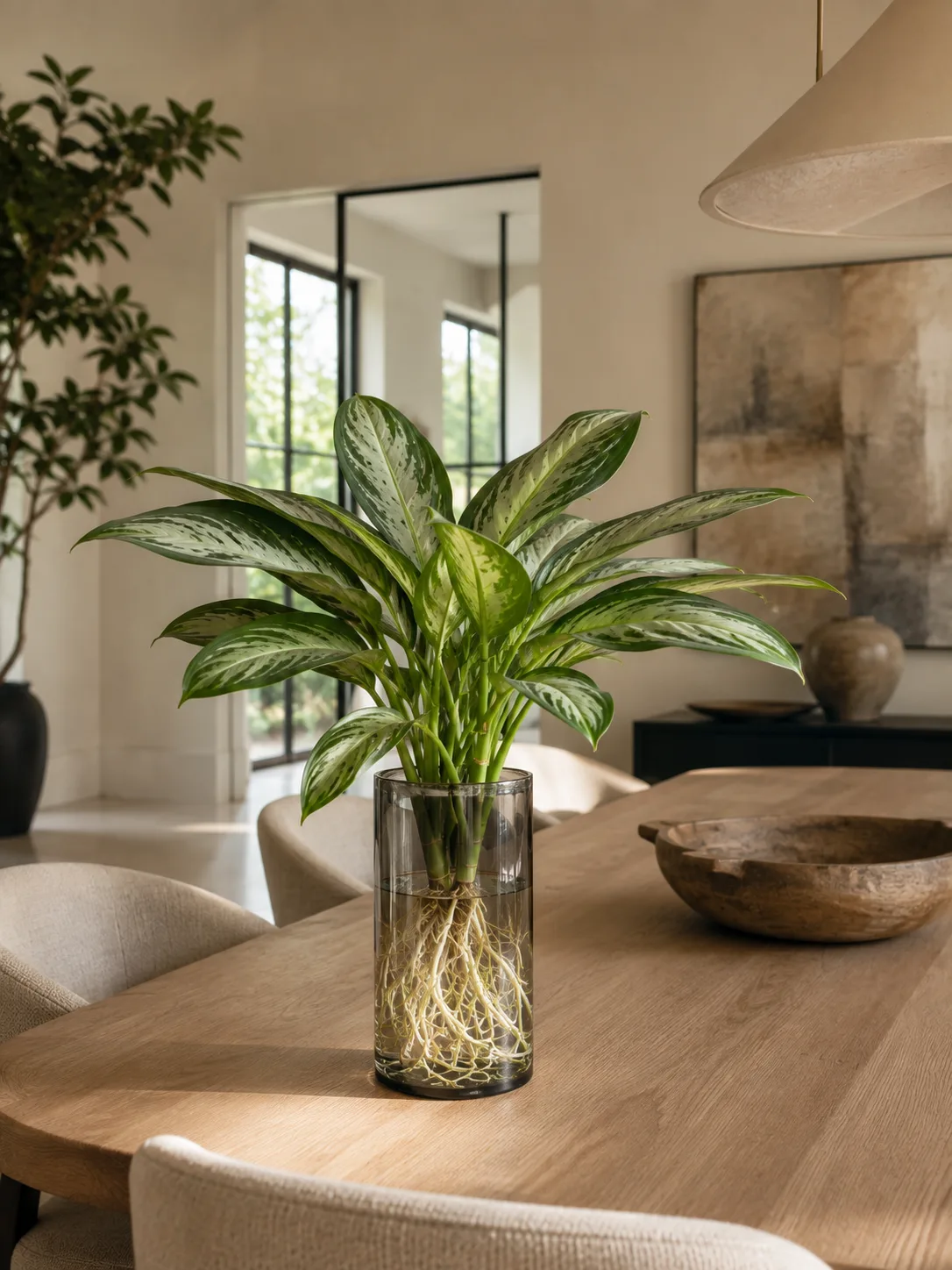
Available in shades from deep green to vivid pink and red, Chinese Evergreen is one of the most low-maintenance choices for water culture. It handles low light better than almost anything else here.
11. Syngonium
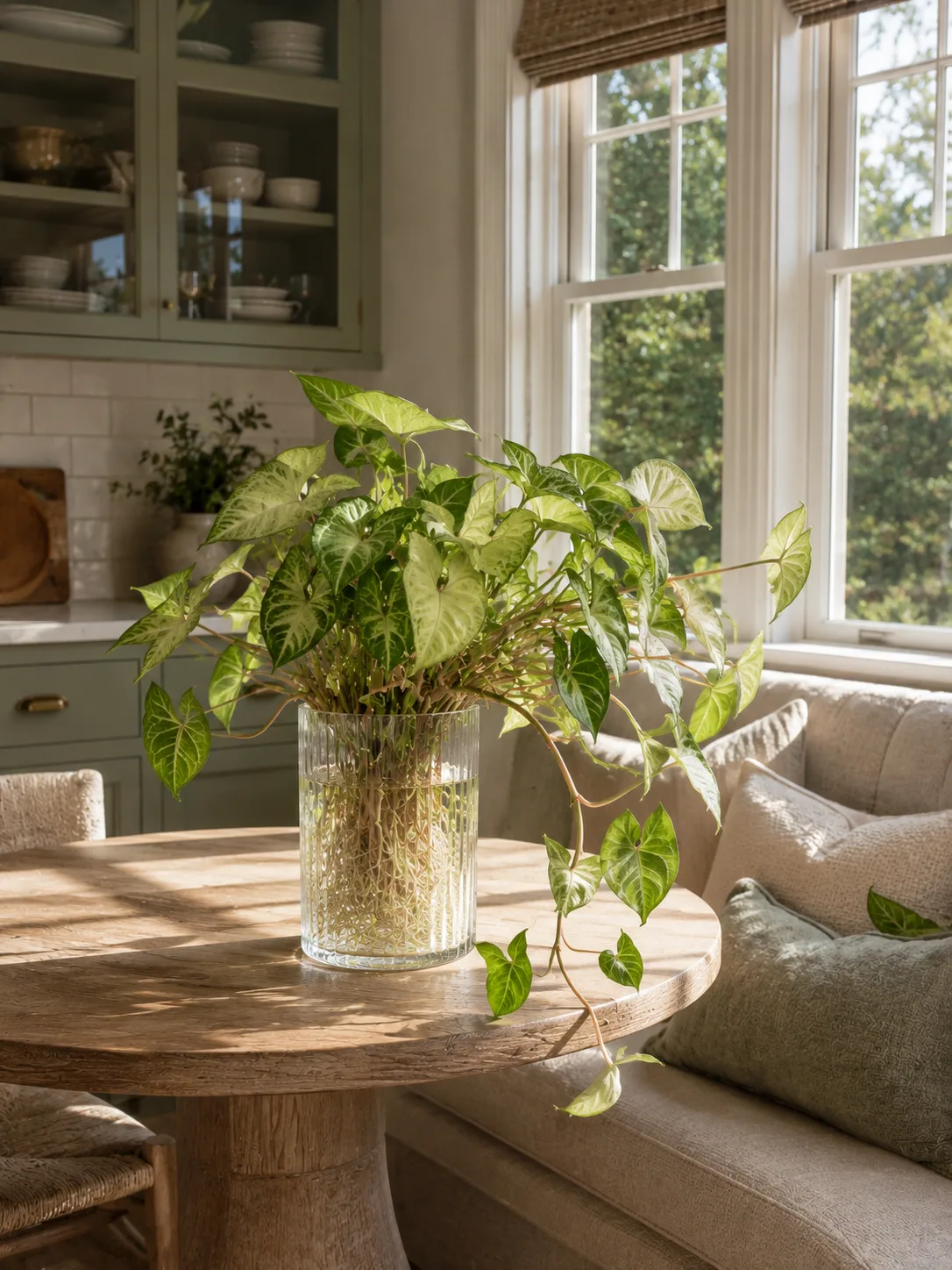
Its arrow-shaped leaves and compact vining habit make it a natural fit for a small jar on a desk or shelf. Cuttings root fast in water under bright, indirect light.
12. Begonia
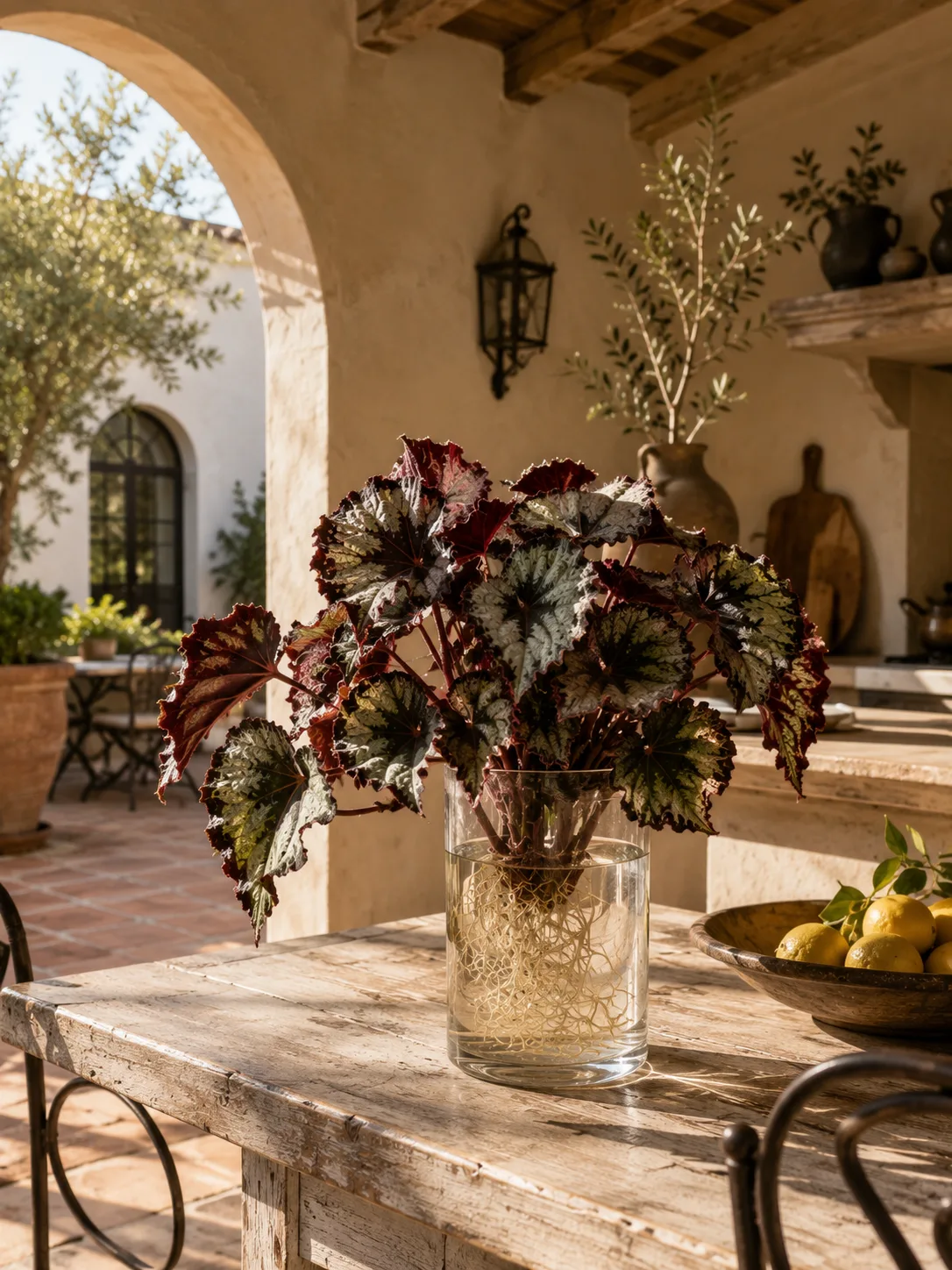
Many cane and rhizomatous begonias live permanently in water culture, offering striking foliage with nothing more than a clean vase and diluted liquid fertilizer. Use fresh water and good light to keep the stems from getting soft.
13. Prayer Plant
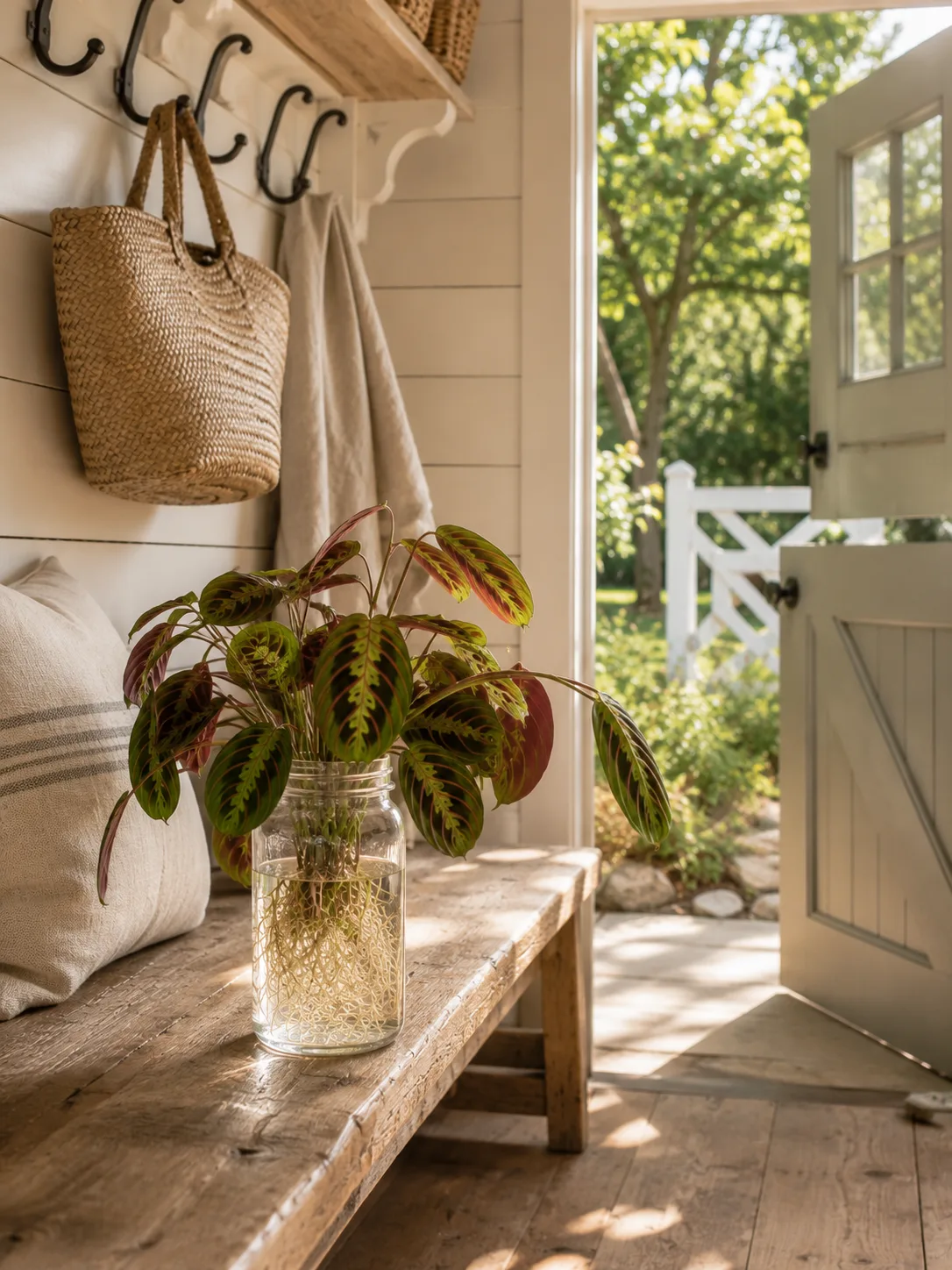
Named for the leaves that fold upward at night like hands in prayer, this eye-catching plant roots and grows well in water with bright, indirect light. It appreciates higher humidity than the average room provides.
14. Tradescantia
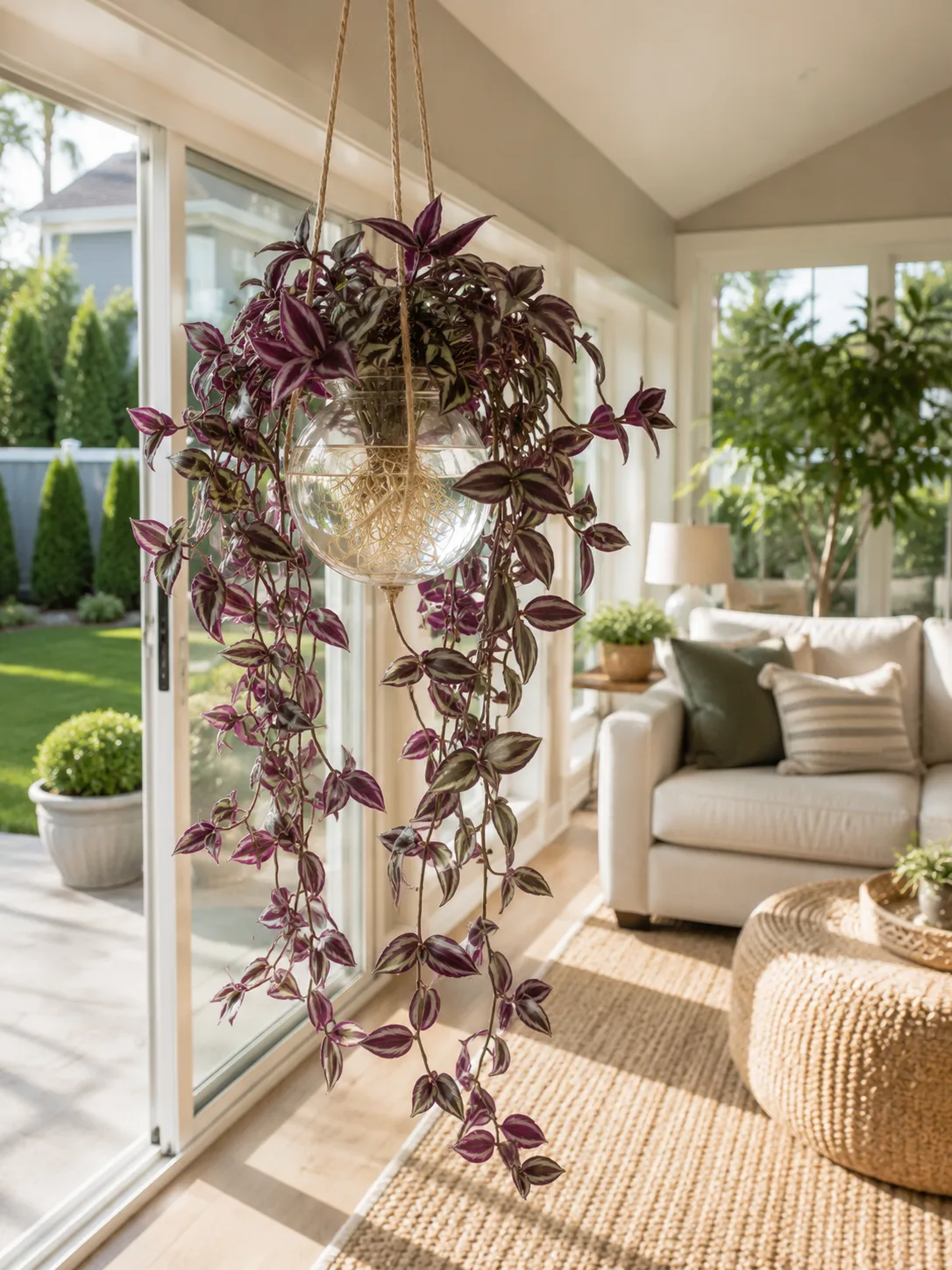
Fast-growing and vivid with its green-and-purple striped leaves, tradescantia (the “inch plant”) is one of the quickest trailing plants to root in water, often within days. Bright light keeps the purple coloring strong.
15. Pilea
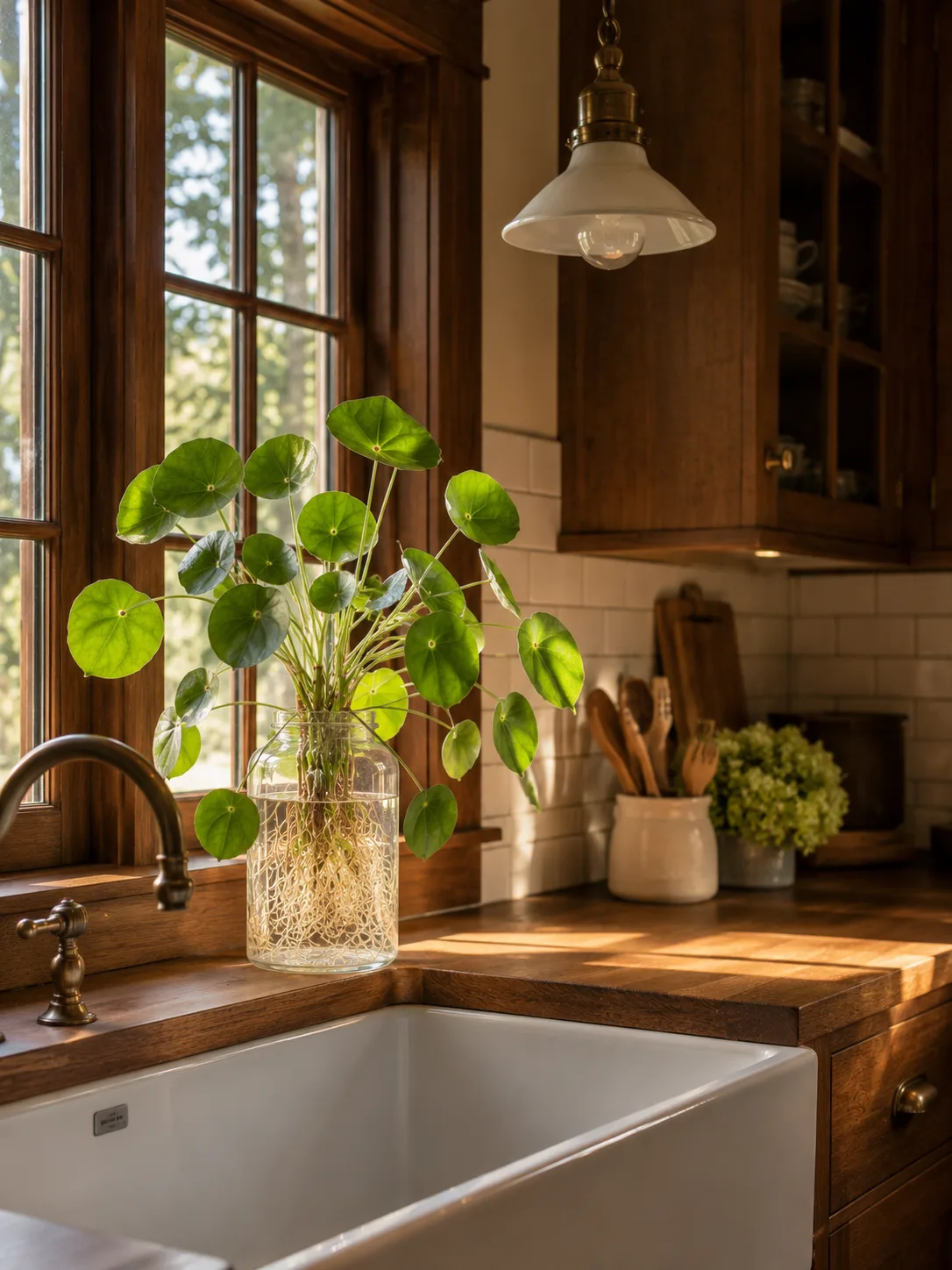
Known as the friendship plant for how freely it makes offsets to share, Pilea peperomioides propagates readily in water and stays compact enough for any windowsill. Root the pups in water, then keep them there or move them to LECA.
16. Spiderwort
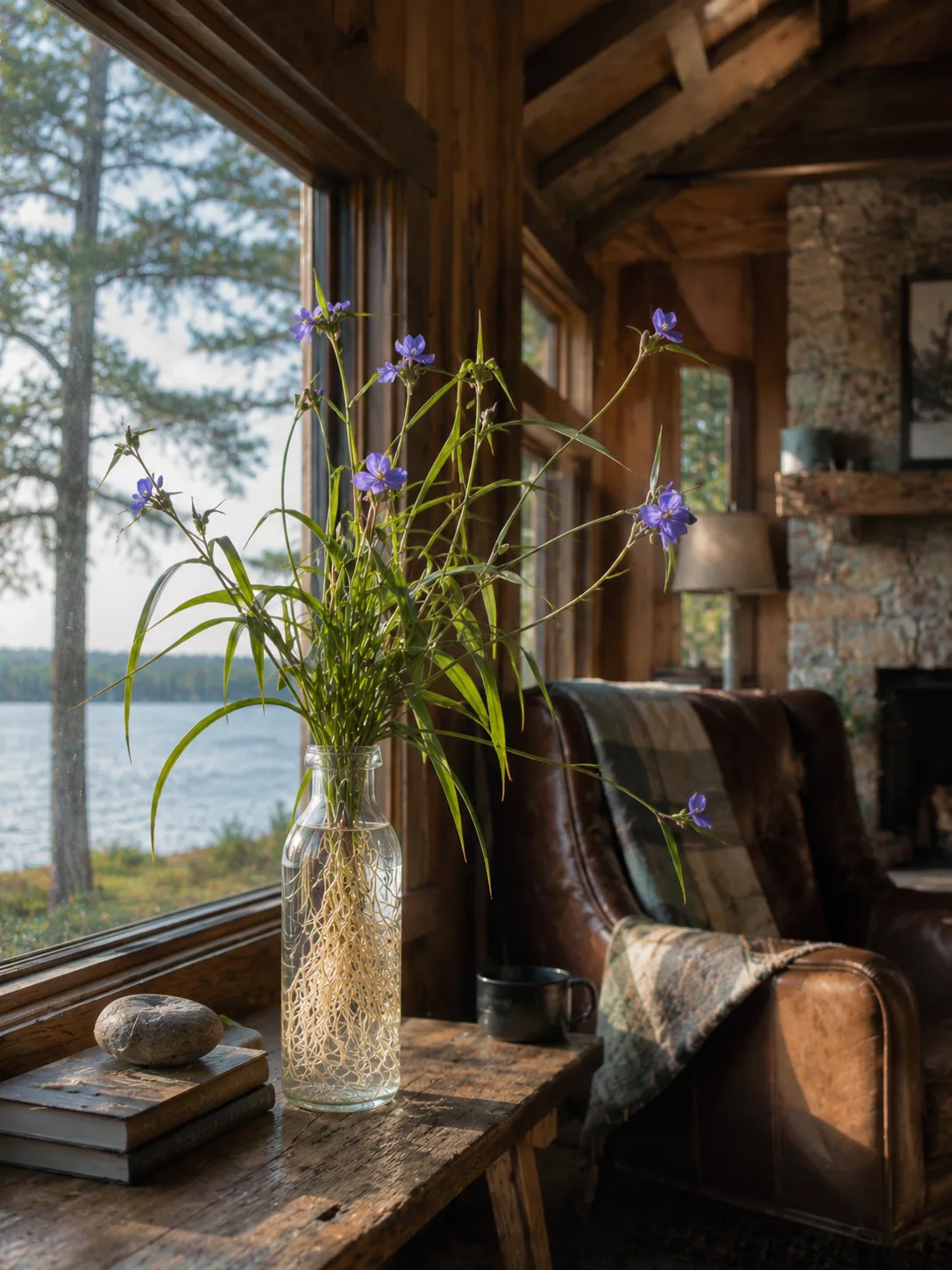
A close cousin of tradescantia, spiderwort brings bold color and trailing drama to any water display. It roots just as easily and enjoys the same bright, indirect light.
17. Sweet Potato Vine
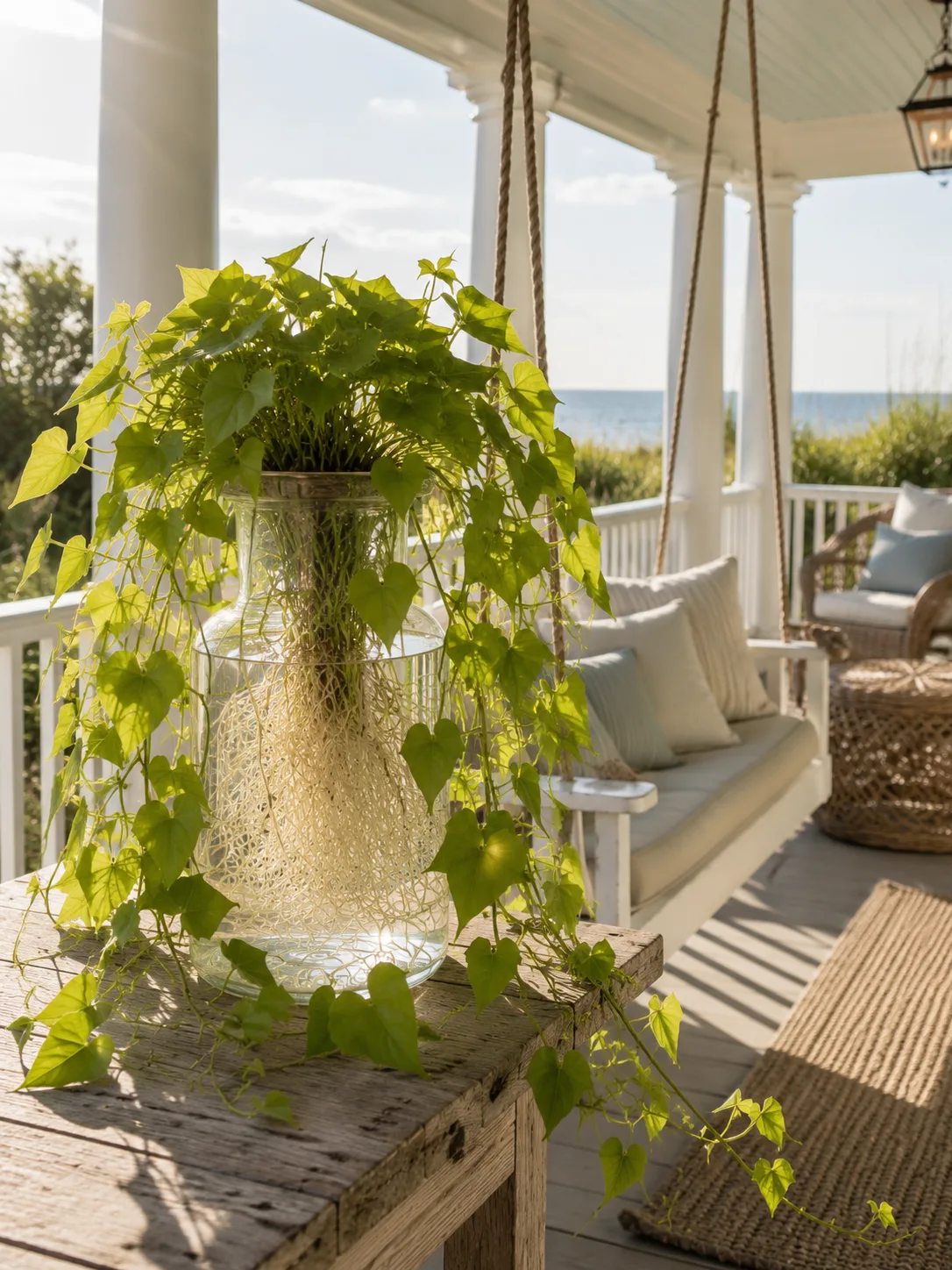
Suspend a sweet potato in a jar of water and within a few weeks you’ll have a sprawling vine with ornamental purple or green foliage. Keep the bottom third of the tuber in water and set it somewhere warm and bright.
18. Nasturtium
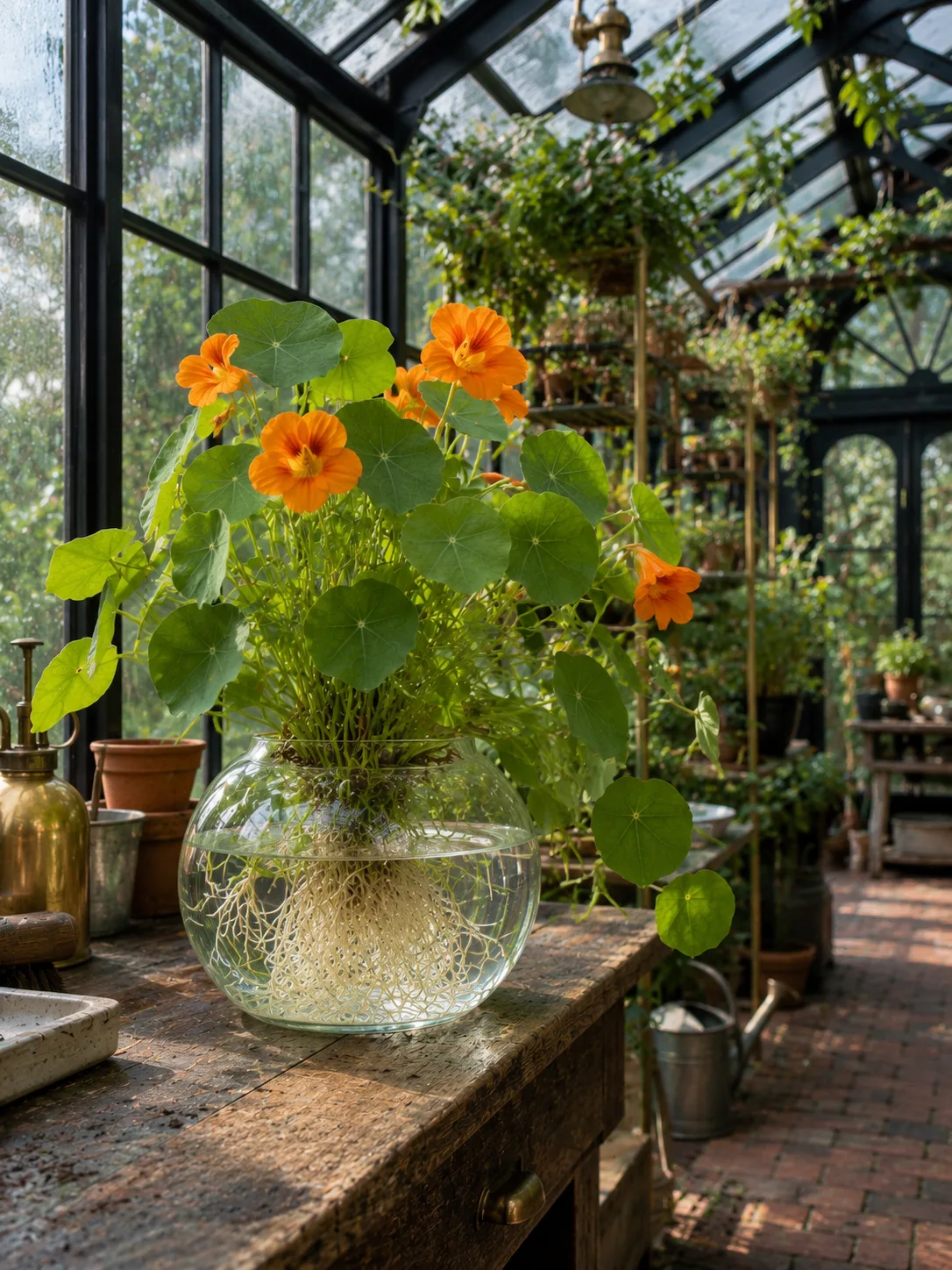
Both the leaves and the vivid red, orange, and yellow flowers are edible, making nasturtium one of the more rewarding plants to grow indoors. It’s a flowering annual, so grow it from seed in a Kratky jar or DWC and give it a strong grow light to bloom.
19. Marigold

A fast-blooming annual that thrives in DWC and Kratky systems, marigold produces vivid orange and yellow flowers in as little as 45 days from seed. Like nasturtium, it needs a real grow light indoors to flower well.
How to keep water-grown houseplants thriving
Rooting a cutting is the easy part. Keeping it healthy for months takes four simple habits.
- Feed it. Plain water has almost no nutrients, so add a diluted hydroponic solution at a quarter to half strength. Our pH and nutrients guide covers the basics.
- Refresh the water. Fully change it every 1 to 2 weeks to restore oxygen and clear salt buildup. See our reservoir maintenance tips.
- Beat algae. If clear vases turn green, switch to an opaque container and keep them out of direct sun. Full fixes are in our algae prevention guide.
- Watch the roots. Healthy roots are white or tan and firm. Brown, mushy, foul-smelling roots mean rot, covered in our root rot guide.
Want to grow food this way too? See our beginner-friendly ranking of the best plants to grow hydroponically.
Frequently Asked Questions
Can any houseplant grow in just water?
No. Fast-rooting tropicals with fine, fibrous roots (pothos, philodendron, spider plant, tradescantia) thrive in plain water indefinitely. Plants with thick storage roots or crowns that rot when submerged, like money tree and orchids, need LECA semi-hydro instead so the roots stay wet but the base stays out of standing water.
Do houseplants grown in water need fertilizer?
Yes, for long-term growth. Plain water has almost no nutrients, so a plant living in it will slowly pale and stall after a few weeks. Add a diluted hydroponic nutrient solution at roughly a quarter to half the label strength and refresh it every 2 to 4 weeks.
What is the difference between growing in water and LECA?
Water culture means the roots sit directly in a jar or vase of nutrient water. LECA (lightweight expanded clay aggregate) is a semi-hydroponic method where clay pebbles wick water up to the roots while leaving air gaps, which suits plants like orchids and money tree that rot in standing water.
Why is the water in my plant vase turning green?
That is algae, and it grows wherever light hits nutrient-rich water. Use an opaque or tinted container, keep the vase out of direct sun, and change the water regularly. See our full guide on preventing hydroponic algae for the fixes.
How often should I change the water for houseplants grown hydroponically?
Top up as it evaporates and fully replace the water every 1 to 2 weeks. Fresh water restores oxygen around the roots and clears out the salt buildup and stagnation that cause root rot in a closed jar.
Sources (5)
- NC State Extension, North Carolina Extension Gardener Plant Toolbox (species profiles for pothos, monstera, philodendron, spider plant, and others), retrieved 2026-07-22, https://plants.ces.ncsu.edu/
- University of Minnesota Extension, Propagating houseplants and other indoor plants, retrieved 2026-07-22, https://extension.umn.edu/how-propagate/propagating-houseplants-and-other-indoor-plants
- Clemson Cooperative Extension, Home & Garden Information Center, Indoor Plants: Water and Humidity, retrieved 2026-07-22, https://hgic.clemson.edu/factsheet/indoor-plants-watering/
- Missouri Botanical Garden, Plant Finder, retrieved 2026-07-22, https://www.missouribotanicalgarden.org/plantfinder/plantfindersearch.aspx
- NASA, Interior Landscape Plants for Indoor Air Pollution Abatement (Clean Air Study), 1989, retrieved 2026-07-22, https://ntrs.nasa.gov/citations/19930073077