How to Start a Hydroponic Balcony Garden (Beginner's Guide)
A hydroponic balcony garden needs as little as 3 hours of direct sun. This guide covers wind, weight, system choice, and the easiest plants to start with.
In this guide
A balcony is one of the best places to start hydroponic growing. You get real sun that most indoor apartments never see, and you skip the soil, weeding, and drainage mess of a ground-level bed entirely.
The catch is that a balcony isn’t a backyard. Space is tight, wind is stronger, and whatever you build has to survive on a small ledge that isn’t really yours to modify. This guide walks through the decisions to make before you buy anything, plus the setup and plants that actually hold up out there.
The short version
- Leafy greens need 3 to 5 hours of direct sun; fruiting crops like tomatoes want 6 to 8 (University of Maryland Extension).
- Water is the weight problem: a full 5-gallon reservoir runs 40+ lb before the container. Keep heavy setups against the wall, not the railing.
- Start with a Kratky jar or a small rail planter. Both need zero drilling, which matters if you're renting.
- Wind is stronger on balconies than at ground level and tips over tall, light containers. Secure anything that isn't heavy on its own.
- Outdoors means outdoors: in USDA zones 6 to 8, a balcony garden is a 3-season setup unless you bring plants in or add a simple cold frame.
How much sun does your balcony actually get?
Stand out there for a full day before you buy anything, and note when direct sun hits and when it stops. South-facing balconies (northern hemisphere) usually get the most; east gets a gentler morning sun, and west gets hot, intense afternoon sun that dries containers out fast.
Match your crop to what you’ve got. Leafy greens like lettuce and spinach only need 3 to 5 hours of direct sun, while fruiting crops like tomatoes and peppers want 6 to 8 (University of Maryland Extension). If your balcony faces north or sits in a building’s shadow most of the day, greens under a small LED grow light will still work. Save fruiting crops for a sunnier spot.
Check the weight and the wind before you buy anything
At a glance: balcony setup checks
| Check | Why it matters |
|---|---|
| Weight | Water runs ~8.3 lb/gallon; a 5-gal reservoir is 40+ lb full |
| Placement | Heaviest containers against the wall, not the outer railing |
| Wind | Stronger and drier at height than at ground level |
| Drainage | Route runoff away from the balcony below yours |
| Lease/HOA | Confirm railing and weight rules before mounting anything |
Water is heavy, and it’s the part people forget to plan for. A gallon runs about 8.3 lb, so a 5-gallon reservoir weighs 40-plus pounds full, before the container, the growing medium, or the plants. Spread that weight against the interior wall rather than the outer railing, and split one big reservoir into a few smaller ones if you’re not sure what your balcony can hold.
Wind is the other thing ground-level gardens don’t deal with. It moves faster and drier several floors up, and tall plants in small, light containers tip over easily (University of Maryland Extension). A simple mesh screen or a solid planter box cuts the worst of it on an exposed balcony.
Last check, and it’s a courtesy one: any system that drips (NFT, a leaky net pot, an overflowing saucer) can land on the balcony below. Route drainage back into your own reservoir, and empty catch trays regularly so they don’t turn into a mosquito breeding spot.
A balcony is also outdoors, so the calendar matters. In USDA zones 9 to 12 you can run a setup year-round with no protection. In zones 6 to 8, treat it as a 3-season garden and bring pots in (or add a simple cold frame) once nights turn cold. In zone 5 and colder, plan to move everything indoors for winter (USDA Plant Hardiness Zone Map).
Pick your system: jars, rail planters, or a small kit
You don’t need a powered system to start. Here’s how the realistic beginner options compare:
| System | Setup | Weight when full | Best for |
|---|---|---|---|
| Kratky jars | No pump, no power, net pot over nutrient solution | Light, 1-2 lb per quart jar | First-timers, herbs and lettuce |
| Rail/vertical planter | Clip-on or freestanding, small footprint | Moderate; check per-unit weight | Renters with railing space |
| Small DWC bucket | Air pump keeps solution oxygenated | 40+ lb per 5-gal bucket full | A step up once Kratky clicks |
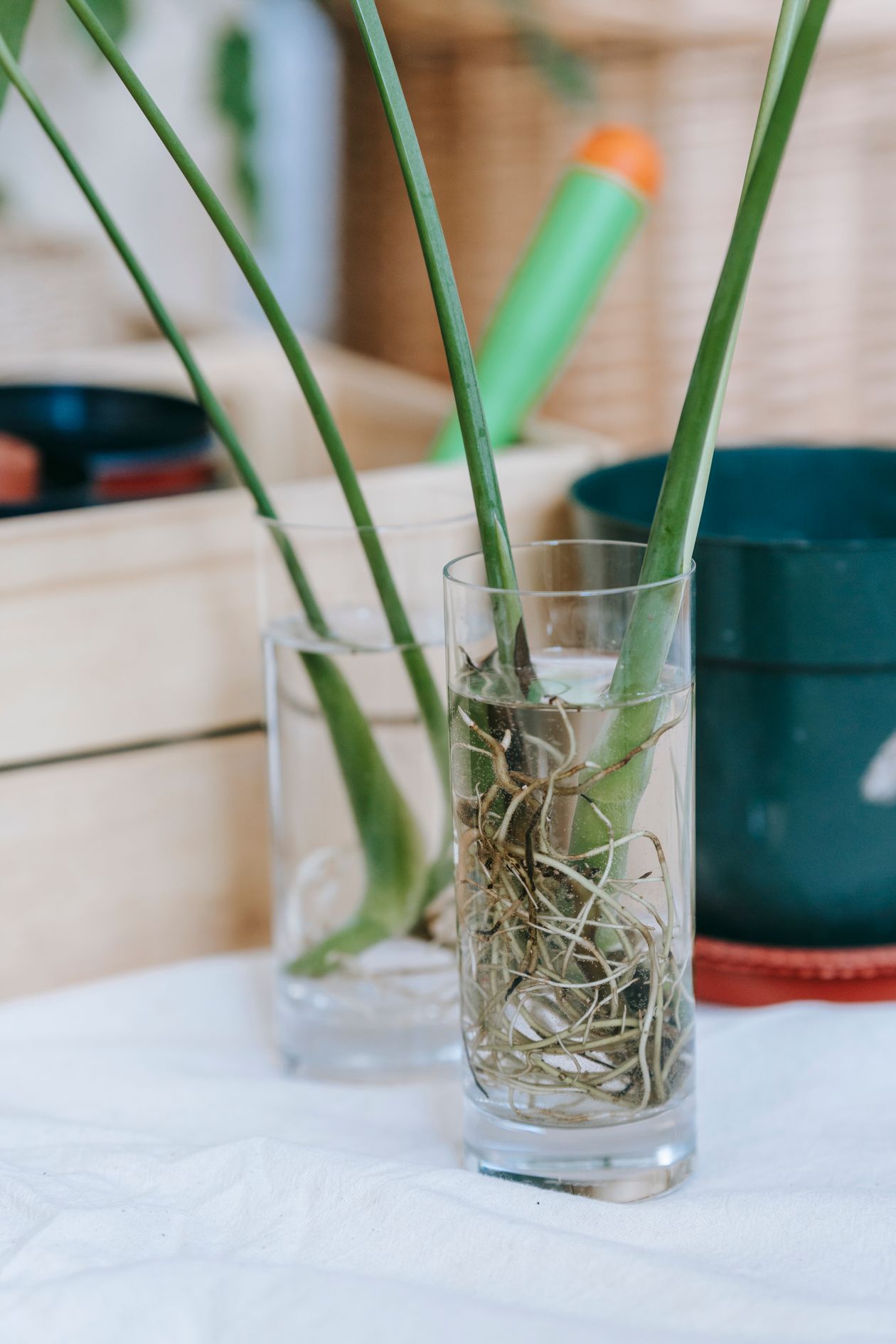
Start with a Kratky jar. It’s the system Dr. B.A. Kratky developed at the University of Hawaiʻi as a no-pump, no-electricity method, and it’s the cheapest way to learn the fundamentals before you commit to anything bigger. For the full walkthrough, see the Kratky method step-by-step guide.
Once that’s working, a vertical or rail-mounted planter multiplies your growing space without eating more floor. The guide to vertical hydroponic gardens for small spaces covers the system types and what to check before mounting one. If you’d rather build your own frame, how to build a vertical hydroponic system at home has the full parts list.
Full nutrient and pH setup for whichever system you pick: pH and nutrients for beginners.
Best plants to start with on a balcony
Lettuce, spinach, and herbs like basil are the easiest first crop. They’re fast, forgiving of a missed watering day, and don’t need the 6-plus hours of sun that fruiting crops demand. If your balcony gets strong afternoon sun, herbs handle the heat better than lettuce, which bolts (goes to seed and turns bitter) when it gets too warm.
Once you’ve got a harvest or two under your belt, strawberries and dwarf tomato varieties do well in larger balcony containers with good sun. Both need more light and a bit more patience than greens, so treat them as the next step rather than the starting point.
Setting up your first balcony hydroponic garden
- Pick the spot. Use whichever section of the balcony gets the sun hours your crop needs, and keep it clear of the drip line from any AC unit or upstairs balcony above.
- Choose a light, freestanding container first. A Kratky jar or a small clip-on rail planter needs no drilling and is easy to move if you get the spot wrong the first time.
- Mix your nutrient solution. Use a hydroponic-specific nutrient mix, not soil fertilizer, and check pH before you add a plant.
- Set the net pot and plant. Seedling or young transplant, roots reaching down toward (but not fully submerged in, for Kratky) the solution.
- Secure it against wind. Anchor rail planters with brackets and keep taller plants low in the container until they've rooted in.
- Check water level and pH every few days. Top up as the level drops; refill with fresh solution once it's gone.
Common balcony mistakes to skip
- Hanging a full reservoir off the railing itself. Put weight against the wall side of the balcony, not the outer edge.
- Ignoring wind until something tips over. Secure containers before the first storm, not after.
- Choosing fruiting crops for a shady balcony. Match the plant to the sun hours you actually measured, not the ones you hoped for.
- Letting drainage run onto the balcony below. Route it back into your own system and empty trays regularly.
- Skipping the landlord conversation. A five-minute check on weight limits and railing rules avoids a much longer one later.
New to hydroponics generally, not just balconies? Start with the complete hydroponics beginner’s guide for systems, nutrients, and light in more depth. Working with more outdoor space than a balcony? See 11 outdoor hydroponic setup ideas for backyards and patios instead.
Frequently Asked Questions
Do you need full sun for a balcony hydroponic garden?
No, but it depends on what you grow. Lettuce, spinach, and other leafy greens do fine with 3 to 5 hours of direct sun. Tomatoes, peppers, and other fruiting crops want 6 to 8 hours (University of Maryland Extension). A north-facing balcony with less than that can still grow greens under a small LED grow light.
Is a hydroponic system too heavy for a balcony?
Water is the real weight, about 8.3 lb per gallon, so a full 5-gallon reservoir runs 40+ lb before you add the container. Keep heavier setups against the wall rather than hanging off the railing, and check with your landlord or building manager before mounting anything permanent.
Which hydroponic system is easiest for a small balcony?
A Kratky jar setup. No pump, no electricity, no moving parts, just a net pot suspended over nutrient solution. It’s the cheapest way to learn the basics before you commit to a rail planter or a small powered kit.
Will wind wreck a hydroponic balcony garden?
It can if you’re not ready for it. Balconies get stronger, drier wind than ground-level gardens, and tall plants in light containers tip over easily (University of Maryland Extension). Keep containers low and wide, secure rail planters with brackets, and add a mesh screen on very exposed balconies.
Can renters do hydroponic balcony gardening without breaking their lease?
Yes, if you stick to freestanding or tension-mounted setups. Kratky jars, a small shelf unit, and clip-on rail planters need no drilling and leave no marks. Always confirm weight limits and any railing rules with your landlord before hanging planters off the outer edge.
Sources (3)
- University of Maryland Extension, Growing Vegetables in Containers and Salad Tables, retrieved 2026-07-27, https://extension.umd.edu/resource/growing-vegetables-containers-and-salad-tables
- Kratky, B.A., A Suspended Pot, Non-Circulating Hydroponic Method, University of Hawaiʻi CTAHR, retrieved 2026-07-27, https://www.ctahr.hawaii.edu/hawaii/downloads/A_Suspended_Pot_Non-circulating_Hydroponic_method.pdf
- USDA Agricultural Research Service, Plant Hardiness Zone Map, retrieved 2026-07-27, https://planthardiness.ars.usda.gov/