5 Best Make-Ahead High-Protein Breakfasts (60-Second Reheat)
Five freezer-friendly high-protein breakfasts, each with fresh hydroponic herbs. Research shows 30-35g protein at breakfast cuts evening snacking. See how.
In this guide
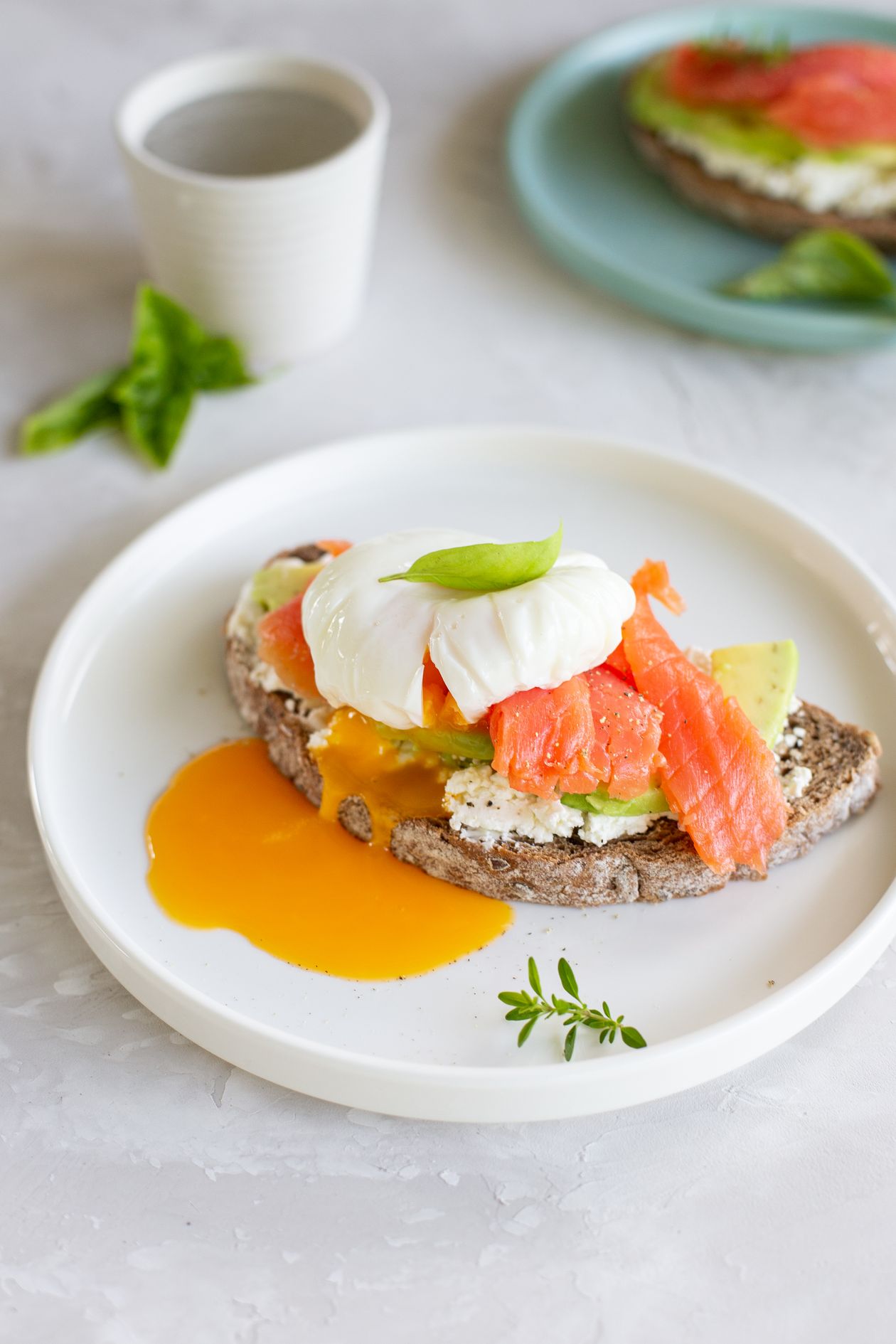
Most mornings, breakfast is an afterthought. You grab whatever is fastest, usually something low in protein. The problem is that the typical Western breakfast delivers only 10g of protein for women and 15g for men, far below what research shows is needed to actually suppress hunger hormones (PMC, 2013). These five recipes change that without adding time to your morning. You’ll prep them once, freeze them, and reheat in 60 seconds flat.
Key Takeaways
- Breakfasts with 30-35g protein suppress the hunger hormone ghrelin significantly longer than 10-13g protein breakfasts (PMC).
- All five recipes include fresh hydroponic herbs, which can carry up to 97% more antioxidants than soil-grown equivalents.
- Egg bites and muffins freeze for up to 3 months at 0°F (FDA storage guidelines).
- Reheat safely: cover, stir halfway, and let stand 2 minutes to reach 165°F internal temperature.
Why Does Breakfast Protein Actually Matter?
Research consistently shows that the amount of protein at your first meal shapes how hungry you feel for the rest of the day. A 2013 randomized crossover trial published in PMC found that a 30-35g protein breakfast reduced predinner activation in the brain’s reward regions (hippocampus and amygdala) compared to a 13g protein breakfast, which translated directly to less evening snacking of high-fat foods (PMC, 2013).
The mechanism is hormonal. Protein triggers the release of peptide YY (PYY) and GLP-1 from the gut, both of which slow gastric emptying and signal fullness to the brain. Ghrelin, the hormone that drives hunger, stays suppressed longer after a high-protein meal than after a carbohydrate-heavy one.
A 2021 meta-analysis of 10 randomized controlled trials found that a protein-rich breakfast reduced subsequent energy intake by an average of 111 kcal per day in children and adolescents (PMC, 2021). That’s meaningful across a week.
The gap between what most people eat for breakfast (10-15g protein) and what research suggests is optimal (30-35g) is large enough that simply restructuring your morning meal, without any other change, could reduce daily calorie intake by over 100 kcal.
Why Add Hydroponic Herbs to Every Recipe?
Fresh herbs are nutritional outliers. A quarter-cup of fresh parsley delivers 300% of the Daily Value for vitamin K and 33% of the DV for vitamin C (UF Extension, 2023). A quarter-cup of fresh basil provides about 33% of the DV for vitamin K, plus rosmarinic and caffeic acids, which are potent antioxidant compounds.
What makes hydroponic herbs particularly interesting is the potential for higher phytochemical content. A 2025 PMC study found that basil grown under high-intensity LED lighting with moderate nutrient restriction had a 97% increase in total phenolic content compared to soil-grown basil, reaching 28.39 mg/g dry weight (PMC, 2025). More phenolics means more antioxidant activity and, often, more intense flavor.
If you’re not growing herbs yet, see which ones are easiest to start with in the 8 best leafy greens to grow hydroponically.
Which 5 Breakfasts Reheat in 60 Seconds?
1. Chive and Cheddar Egg Bites
Egg bites are the most freezer-friendly item on this list. Bake a batch of 12 in a silicone muffin tin on Sunday and you have two weeks of breakfasts ready to go.
Herb used: Fresh hydroponic chives
Key nutrition: Cooked egg protein has a DIAAS score of 101 and about 80% digestibility compared to 40% for raw eggs. Cooking denatures trypsin inhibitors that would otherwise block protein absorption (PMC, 2022).
Estimated protein per serving (2 bites): ~18g
Ingredients (makes 12 bites):
- 8 large eggs
- 1/4 cup whole milk
- 1/2 cup shredded sharp cheddar
- 3 tablespoons finely snipped fresh hydroponic chives
- Salt and pepper to taste
Directions: Whisk eggs and milk together. Stir in cheddar and chives. Pour into a greased silicone muffin tin. Bake at 325°F for 22-25 minutes until set at center. Cool on a rack for 20 minutes.
Food safety note: Cool to 40°F or below within 2 hours. Wrap each pair in parchment, place in a freezer zip bag, and freeze at 0°F for up to 3 months (FDA Storage Chart).
To reheat: Place 2 bites on a paper towel-lined plate, cover loosely, and microwave for 60 seconds. The paper towel absorbs excess moisture as the egg protein tightens. Let stand 2 minutes. Check that the center is steaming hot.
2. Overnight Protein Oats with Fresh Basil Berries
Overnight oats don’t require any cooking. Mix the night before, refrigerate, and grab them straight from the fridge or warm for 60 seconds in the microwave.
Herb used: Fresh hydroponic basil
Key nutrition: The EFSA confirms that at least 4g of oat beta-glucan per 30g of available carbohydrates is needed for a significant reduction in postprandial blood sugar (PMC, 2022). A standard half-cup of rolled oats plus a tablespoon of oat bran hits this threshold. The viscous gel beta-glucan forms in the stomach slows glucose absorption and keeps you fuller longer.
Estimated protein per serving: ~20g (with Greek yogurt layered in)
Ingredients (1 serving):
- 1/2 cup rolled oats
- 1 tablespoon oat bran
- 1/2 cup plain Greek yogurt (full-fat or 2%)
- 1/2 cup unsweetened almond milk or whole milk
- 1 scoop (25g) unflavored or vanilla whey protein powder
- 1/2 cup mixed berries
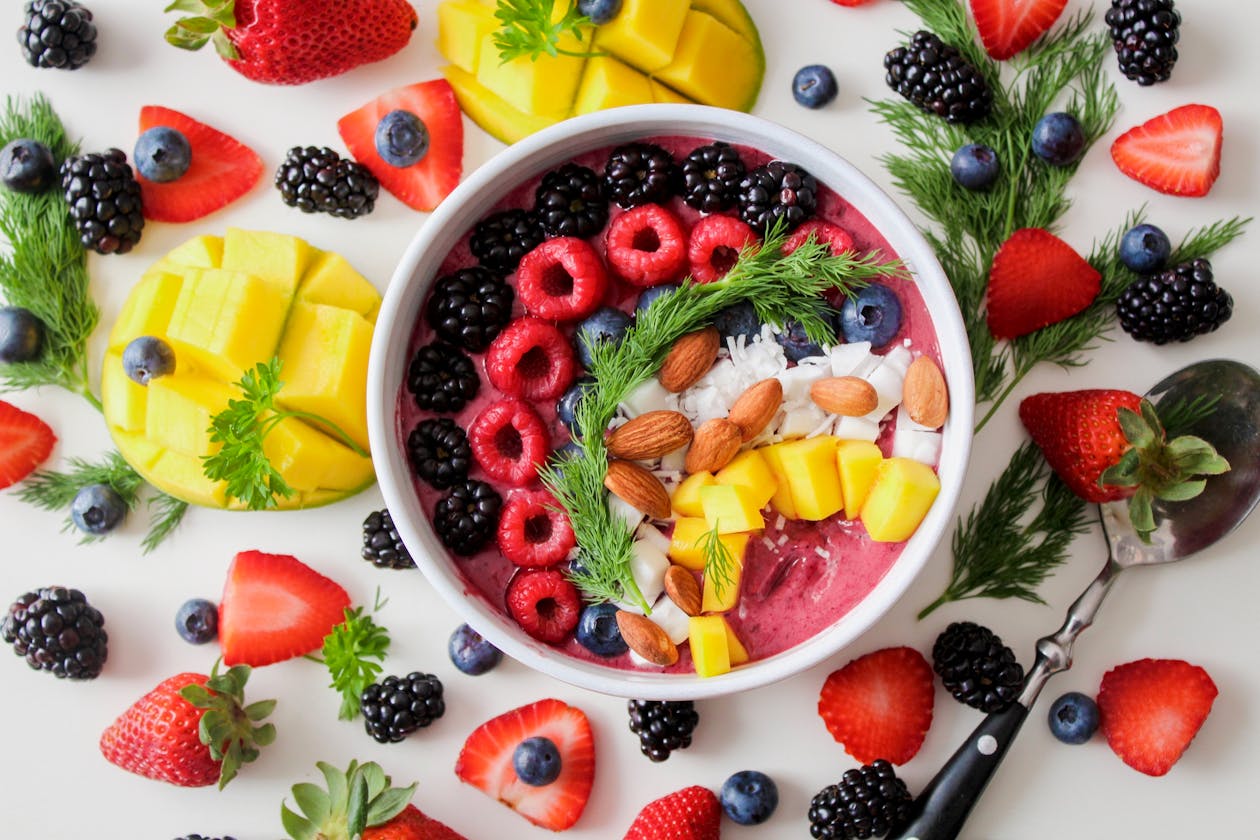
- 4-5 fresh hydroponic basil leaves, torn
- 1 teaspoon honey (optional)
Directions: Combine oats, oat bran, yogurt, milk, and protein powder in a jar. Stir well. Refrigerate overnight (minimum 6 hours). Top with berries and torn basil before serving.
Prep tip: Make 5 jars on Sunday. They keep in the fridge for up to 5 days. Warm for 60 seconds in the microwave if you prefer a hot breakfast; cover the jar and stir halfway through.
3. Greek Yogurt and Herb Breakfast Parfait
This is the fastest option. No cooking, no prep beyond assembling. The herbs cut through the richness of the yogurt and make it feel like something you’d order at a cafe.
Herb used: Fresh hydroponic chives or parsley
Key nutrition: A 250g serving of plain Greek yogurt delivers approximately 6.3 x 10^9 CFU of viable Lactobacilli, supporting gut microbiome diversity (PubMed, 2025). Greek yogurt must contain at least 10^7 CFU/g of Streptococcus thermophilus and Lactobacillus bulgaricus at the time of manufacture under the Codex Standard for Fermented Milks.
Estimated protein per serving: ~20g
Ingredients (1 serving):
- 1 cup (250g) plain full-fat Greek yogurt
- 1/4 cup low-sugar granola
- 1/2 cup fresh or frozen (thawed) berries
- 1 tablespoon finely snipped fresh hydroponic chives or minced parsley
- 1 teaspoon lemon zest
- Pinch of flaky salt
Directions: Spoon yogurt into a bowl or glass. Layer granola and berries. Top with chives or parsley, lemon zest, and flaky salt.
Savory variation: Skip the granola and berries. Add 1/4 cup cherry tomatoes, a soft-boiled egg, and extra chives. This version reads more like a Mediterranean breakfast bowl.
4. Spinach and Parsley Egg Muffins
Egg muffins are like egg bites but bulkier. More vegetables per serving. They hold up well in the freezer and reheat without getting rubbery if you follow the paper-towel-and-cover method.
Herb used: Fresh hydroponic parsley
Key nutrition: One large egg provides 147mg of choline, which is 27% of the US Daily Value (PMC, 2020). A 4-muffin serving (using 6 eggs across 12 muffins) delivers roughly 49mg of choline per muffin. Choline is required for cell membrane integrity and is the precursor to acetylcholine, the neurotransmitter linked to memory and muscle function. Only 24.4% of egg consumers meet the choline Adequate Intake, versus 4.3% of non-consumers.
Estimated protein per 2 muffins: ~16g
Ingredients (makes 12 muffins):
- 8 large eggs
- 1/4 cup whole milk
- 1 cup baby spinach, roughly chopped
- 1/2 cup diced red bell pepper
- 1/3 cup crumbled feta or shredded mozzarella
- 3 tablespoons fresh hydroponic parsley, finely chopped
- 1/2 teaspoon garlic powder
- Salt and pepper to taste
Directions: Preheat oven to 350°F. Whisk eggs and milk. Fold in spinach, bell pepper, cheese, parsley, and seasonings. Divide evenly into a greased 12-cup muffin tin. Bake 18-22 minutes until puffed and set. Cool fully before storing.
To freeze: Wrap pairs in parchment, bag in a labeled zip-lock, and freeze at 0°F for up to 3 months. To reheat from frozen: place 2 muffins on a paper-towel-lined plate, cover loosely with a damp paper towel, microwave 60-90 seconds. Let stand 2 minutes.
5. Basil Cottage Cheese Power Bowls
Cottage cheese is underused. At roughly 25g of protein per cup, it gives Greek yogurt real competition. Paired with savory toppings and fresh basil from your hydroponic setup, it makes a breakfast that keeps you full past noon.
Herb used: Fresh hydroponic basil
Key nutrition: The 30-35g protein threshold shown to suppress ghrelin significantly in clinical trials is achievable here with one cup of cottage cheese plus two boiled eggs (PMC, 2013). Protein also carries a thermic effect of feeding (TEF) of 20-30%, meaning your body burns a meaningful portion of the protein calories just digesting them.
Estimated protein per serving: ~30g
Ingredients (1 serving):
- 1 cup full-fat or 2% cottage cheese
- 2 hard-boiled eggs, sliced
- 1/4 cup cherry tomatoes, halved
- 8-10 fresh hydroponic basil leaves
- 1 teaspoon extra-virgin olive oil
- Flaky salt and cracked black pepper
Directions: Spoon cottage cheese into a bowl. Arrange eggs and tomatoes on top. Scatter basil leaves. Drizzle with olive oil. Season with flaky salt and pepper.
Make-ahead tip: Hard-boil a batch of 6-8 eggs at the start of the week. They keep refrigerated (unpeeled) for up to 7 days. Assemble the bowl fresh each morning, which takes under 2 minutes. No reheating needed.
What Does the Protein Content Look Like Across All Five?
Here’s a quick visual comparison. These estimates are based on the ingredients listed above, using USDA standard food composition values for eggs, Greek yogurt, cottage cheese, rolled oats, and protein powder.
The cottage cheese bowl is the only recipe that hits the 30g threshold on its own. For the others, a glass of milk alongside or an extra egg at prep time closes the gap quickly.
How Do You Freeze and Reheat These Safely?
Good meal prep depends on safe prep. The USDA Danger Zone spans 40°F to 140°F, the temperature range where bacteria like Salmonella can double in as little as 20 minutes (USDA FSIS).
After baking egg dishes, let them cool on a rack for no more than 2 hours before refrigerating or freezing. Portion into shallow containers (2 inches deep or less) so heat escapes quickly. Label every bag with the date. Freeze at 0°F. Reheat to an internal temperature of 165°F every time, and give the food a 2-minute standing time after microwaving so heat distributes evenly.
The paper-towel method works. When reheating frozen egg bites, placing them on a paper towel-lined plate before microwaving absorbs the liquid released as the egg protein structure tightens during reheating. Without it, the bites sit in pooled water and get rubbery. One paper towel below, one loosely draped on top. Sixty seconds at full power, then two minutes standing.
Start With One Recipe This Weekend
Pick the recipe that fits your schedule. If you have 30 minutes on Sunday, make the egg bites or muffins and freeze them. If you have 5 minutes tonight, set up a jar of overnight oats. Either way, you’ll have at least one morning this week where breakfast doesn’t require any decision-making.
The herbs are the part that most people skip. Don’t. A small pot of chives or a basil cutting in a jar of water costs almost nothing and turns any of these recipes from plain to genuinely good. If you’ve never grown herbs before, the beginner’s guide to hydroponics is the fastest way to get set up.
Want savory instead? Try the savory high-protein breakfasts for more freezer-friendly egg dishes. Craving something sweeter? The sweet, fruit-forward breakfasts pair naturally on alternate mornings.
Sources (12)
-
Leidy HJ et al., “Beneficial effects of a higher-protein breakfast on the appetitive, hormonal, and neural signals controlling energy intake regulation in overweight/obese, ‘breakfast-skipping,’ late-adolescent girls,” PMC, 2013. https://pmc.ncbi.nlm.nih.gov/articles/PMC3718776/
-
Baum JI et al., “Effect of Protein-Rich Breakfast on Subsequent Energy Intake and Subjective Appetite in Children and Adolescents: Systematic Review and Meta-Analysis of Randomized Controlled Trials,” PMC, 2021. https://pmc.ncbi.nlm.nih.gov/articles/PMC8399074/
-
Tran E et al., “Modulation of Phytochemical Composition and Antioxidant Capacity in Basil Microgreens by Light Intensity and Nutrient Solution,” PMC, 2025. https://pmc.ncbi.nlm.nih.gov/articles/PMC12943826/
-
Puglisi MJ, Fernandez ML, “Health Functions of Egg Protein,” PMC, 2022. https://pmc.ncbi.nlm.nih.gov/articles/PMC9368041/
-
Wallace TC et al., “Eggs Are Cost-Efficient in Delivering Several Shortfall Nutrients in the American Diet: A Cost-Analysis in Children and Adults,” PMC, 2020. https://pmc.ncbi.nlm.nih.gov/articles/PMC7469040/
-
Guzman-Parra B et al., “A Review of Health-Beneficial Properties of Oats,” PMC, 2022. https://pmc.ncbi.nlm.nih.gov/articles/PMC8625765/
-
Fermented Dairy Products as Modulators of the Gut Microbiome: Greek Yogurt as a Model System, PubMed, 2025. https://pubmed.ncbi.nlm.nih.gov/42130486/
-
USDA Food Safety and Inspection Service, “How Temperatures Affect Food,” retrieved 2026-06-15. https://www.fsis.usda.gov/food-safety/safe-food-handling-and-preparation/food-safety-basics/how-temperatures-affect-food
-
FDA, “Refrigerator and Freezer Storage Chart,” retrieved 2026-06-15. https://www.fda.gov/media/74435/download
-
FDA, “What You Need to Know About Egg Safety,” retrieved 2026-06-15. https://www.fda.gov/food/buy-store-serve-safe-food/what-you-need-know-about-egg-safety
-
University of Nevada Reno Extension, “Egg Bites,” retrieved 2026-06-15. https://extension.unr.edu/publication.aspx?PubID=6576
-
UF/IFAS Extension, “Herbs: Flavor and Health Enhancers,” retrieved 2026-06-15. https://news.hr.ufl.edu/wp-content/uploads/sites/11/2023/06/PolkCo_HerbsTipSheet.pdf