How to Build a Vertical Hydroponic System at Home
No backyard needed. A vertical hydroponic system grows 20 to 40 plants in 1 square meter. Compare 5 build types, costs, and what to grow before you start.
In this guide
No backyard needed. A vertical hydroponic system grows 20 to 40 plants in roughly 1 square meter of wall space, and most home gardeners assume that takes expensive equipment or a large outdoor space. It takes neither. A custom system costs under $100 to build, fits on a balcony or patio, and grows more food per square foot than any conventional garden. New to soilless growing? Start with the complete hydroponics beginner guide.
Some links in this article may be affiliate links. We earn a small commission if you purchase through them, at no extra cost to you.
The short version
- A vertical system grows 20 to 40 plants in about 1 square meter of wall space, with leafy greens ready in 3 to 5 weeks instead of 6 to 8 weeks in soil.
- There are five main build types: A-Frame, Wall-Mounted NFT, Tower Garden, Grow Racks, and the Mason Jar Wall.
- Costs run from under $30 for a Mason Jar Wall to under $150 for Grow Racks with LED lights.
- Four of the five systems need a pump and reservoir. The Mason Jar Wall runs passively on the Kratky method with no electricity at all.
Why Choose Vertical Hydroponics?
- Water efficiency: Recirculating systems reduce water consumption by up to 90% compared to soil growing. Hydroponics is a key method for sustainable agriculture in water-scarce regions.
- Space efficiency: 20 to 40 plants in roughly 1 square meter of wall space. Vertical systems produce up to 13.8x more lettuce per square meter than a flat hydroponic bed. See why going vertical works and the tradeoffs it involves for the full study breakdown, plus balcony weight and anchoring guidance if you’re renting.
- No soil-borne problems: No pests, parasitic worms, or weeds.
- Faster growth: Most leafy greens harvest in 3 to 5 weeks versus 6 to 8 weeks in soil.
- Year-round production: Indoor systems run regardless of season or climate.
What Grows Well (and What Does Not)
Best choices:
- Leafy greens: lettuce, spinach, kale, arugula, bok choy, Swiss chard
- Herbs: basil, mint, cilantro, parsley, chives, thyme, oregano
- Light fruits: strawberries, cherry tomatoes (lower rows with structural support)
Poor choices:
- Root vegetables (carrots, potatoes, beets): they need deep media vertical systems cannot provide
- Large fruiting plants (full-size tomatoes, squash): too heavy, with deep root zones required
- Woody plants (lavender, large rosemary): root systems too expansive for pipe setups
For a full breakdown, see 8 Best Leafy Greens for Hydroponics.
What Does Every Vertical Hydroponic System Need?
Growing Media No soil in hydroponics. An inert medium holds roots in place while water and nutrients flow freely. Three options:
- Hydroton (clay pebbles): Reusable, pH neutral, best for NFT and drip systems.
- Rockwool: Best water retention, ideal for seedling establishment.
- Coco coir: Organic, good for systems with longer dry cycles.
Nutrient Solution All plant nutrition comes from water, not the medium. Use AB Mix and maintain:
- EC: 1.2 to 2.0 mS/cm for leafy greens and herbs
- pH: 5.8 to 6.3
Check pH every 3 to 4 days and correct with pH up or pH down solution.
Water Pump A submersible pump distributes nutrient solution throughout the system. Choose size by system scale:
- 1 to 3 rows: 150 to 200 GPH
- 4 to 6 rows: 200 to 400 GPH
- 6+ rows: 400+ GPH
For NFT systems, run the pump continuously 24/7. NFT relies on a constant thin film of water over the roots. If the pump stops for 45 minutes, that film dries and roots begin to stress.
Reservoir A 10 to 20 gallon opaque container. Opaque prevents algae growth. Change the full solution every 2 weeks and top up with plain pH-adjusted water between changes.
Where Should You Set Up Your System?
Sunlight: Outdoor systems need 6 to 8 hours of direct sun. Indoor systems need full-spectrum LED lights 12 to 18 inches above the canopy, running 14 to 16 hours per day.
Water Temperature: Keep nutrient solution between 65°F and 72°F (18°C to 22°C). Above 75°F (24°C), dissolved oxygen drops and root rot risk rises sharply. Place the reservoir in shade even if the growing wall faces sun.
Airflow: Good circulation prevents fungal disease. Outdoor systems benefit from natural airflow. Indoor systems should have a small fan on a timer.
The Five Main System Types
1. A-Frame System
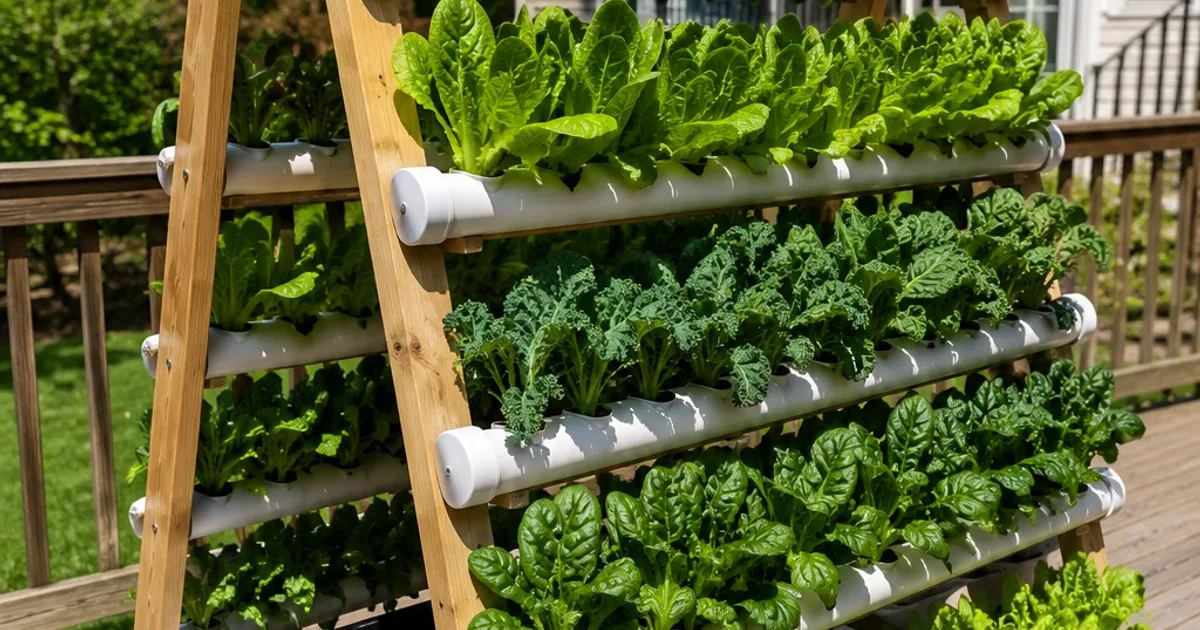
A triangular frame supports horizontal pipes on both sides at an angle. Nutrient solution flows down each side using NFT, fed from the top so every tier gets the same thin film of water.
What to grow: Lettuce, spinach, arugula, bok choy, herbs.
Advantages:
- Both sides receive sunlight evenly as the sun moves, with no row permanently shaded
- The A-shape distributes weight evenly for structural stability
- Easy to access plants on both sides
Limitations:
- Requires more horizontal floor space than wall-mounted systems
- Wide footprint makes it less suitable for tight spaces or indoor use

For the full step-by-step build, see how to build an A-Frame hydroponic system.
2. Wall-Mounted NFT System
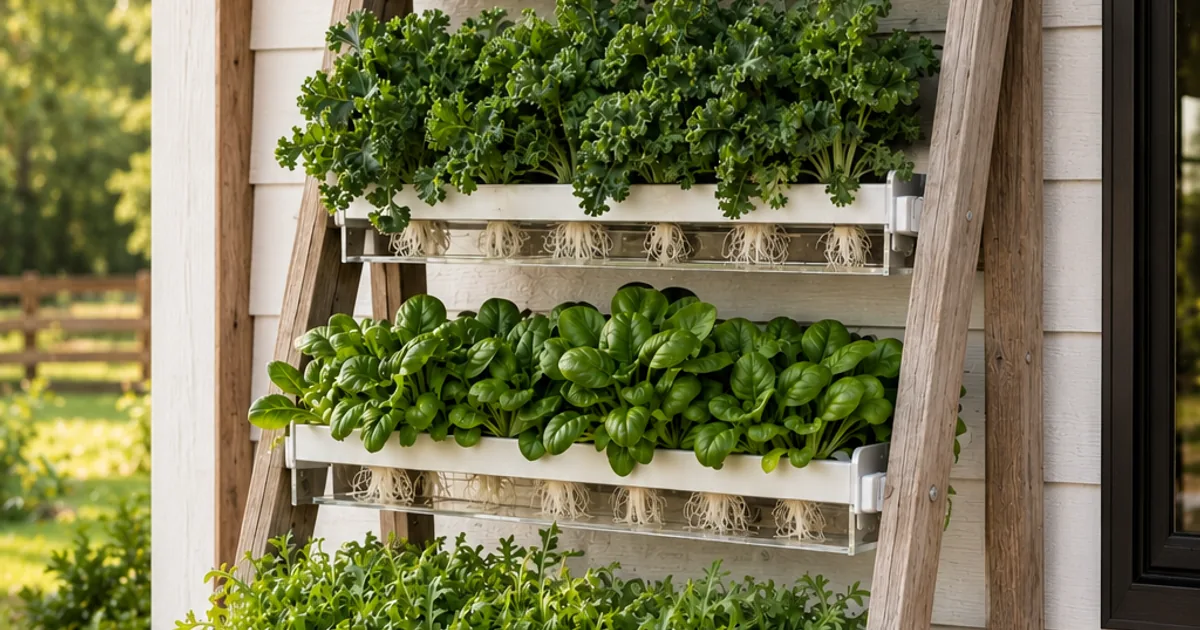
Horizontal PVC pipes mount directly onto a wall or frame. A pump pushes nutrient solution up to the top pipe, where it flows as a thin film across each pipe, feeding roots in net pots before draining back to the reservoir. This is the most popular system for maximum plant density on a flat wall surface.
What to grow: Lettuce, basil, spinach, cherry tomatoes in lower rows, all herbs.
Advantages:
- Highest plant density of any wall-based system
- Pump and reservoir are visible and easy to maintain
- Modular, so rows can be added or removed as needed
Limitations:
- Pump must run continuously 24/7
- Pipe slope must be precise (1 to 2 degrees) for even flow
- Requires power outlet access
For the full step-by-step build, see how to build a wall-mounted NFT hydroponic system.
3. Tower Garden System
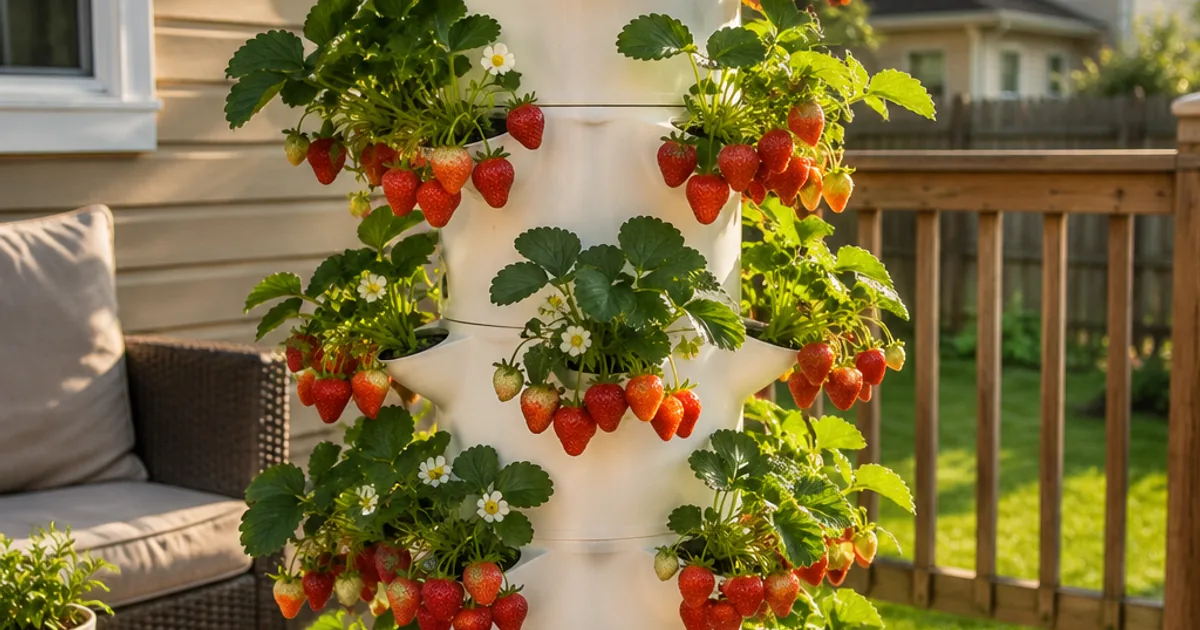
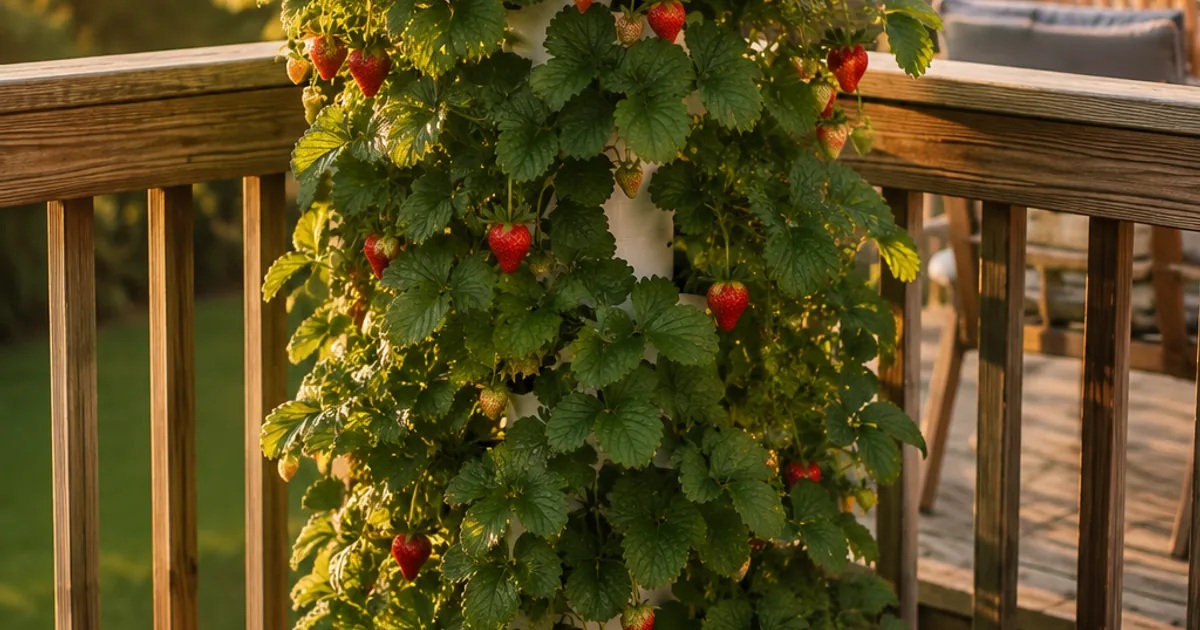
Plants grow in stacked vertical columns. Nutrient solution pumps from a base reservoir up through the tower center and cascades down over roots growing outward from ports cut around the column. A 5-foot tower holds 16 to 20 plants in under 2 square feet of floor space, spaced every 6 inches in a staggered spiral.
What to grow: Strawberries, herbs, lettuce, cherry tomatoes. Strawberries especially suit the tower format given their trailing growth habit.
Advantages:
- Most compact footprint: 16 to 20 plants in under 2 square feet
- 360-degree growing surface maximizes sun exposure
- Visually striking
Limitations:
- Lower rows receive less light as the canopy fills in
- Central column clogs are harder to diagnose
- Upper plants may need a step stool to access

For the full step-by-step build, see how to build a DIY vertical hydroponic tower.
4. Grow Racks
Multiple hydroponic trays stack horizontally on a metal shelving unit, with full-spectrum LED grow lights under each shelf illuminating the tier below. Each tier is self-contained with its own light source, making this system fully independent of natural light or outdoor conditions.
What to grow: Microgreens, baby lettuce, herbs, spinach, arugula. Short-cycle crops that harvest before crowding the shelf above.
Advantages:
- Fully independent of natural light and outdoor conditions
- 4 to 8 tiers in a standard ceiling height
- Fully controlled environment, with temperature, humidity, and light dialed in precisely
- High-volume production in a small footprint
Limitations:
- Higher electricity cost due to grow lights on every tier
- Higher initial setup cost than outdoor systems
- Light positioning requires care to prevent leaf burn on taller crops

Dedicated Grow Rack build guide coming soon.
5. Mason Jar Wall System
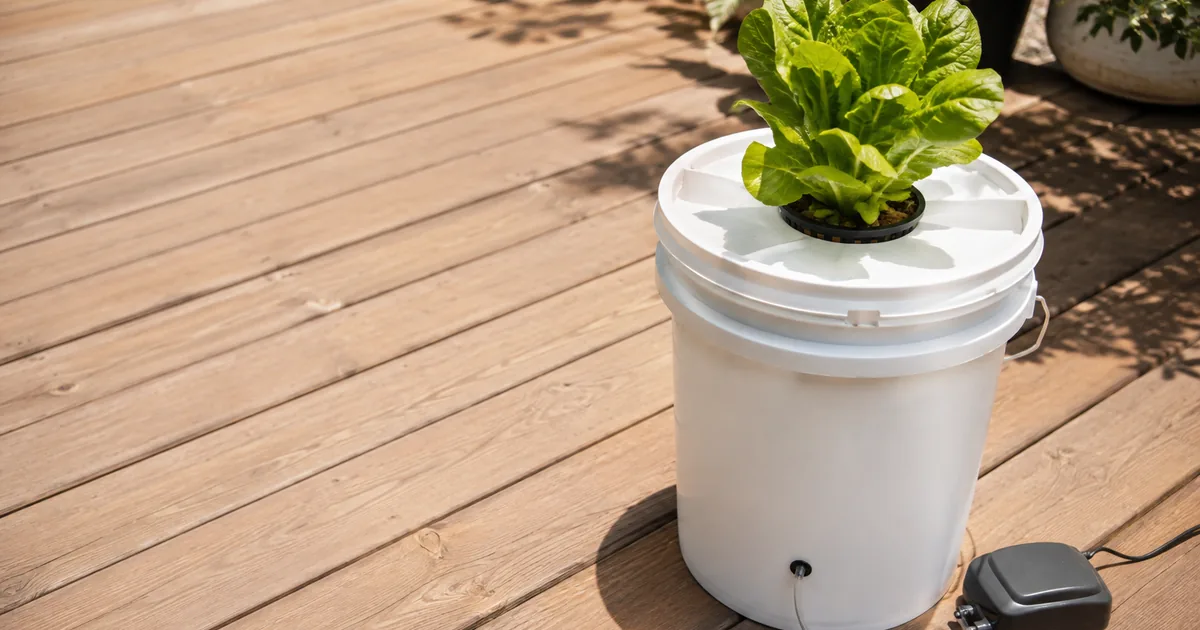
Individual glass jars mount onto a wooden board using metal hose clamps. Each jar holds one plant in water with no pump, no tubing, and no electricity. This is the simplest and most affordable entry point into vertical hydroponics.
What to grow: Herbs (mint, basil, parsley, chives), microgreens, green onions. Keep plants compact, since taller plants make jars top-heavy.
Advantages:
- Zero electricity, using the passive Kratky method
- Each jar is self-contained with no plumbing
- Easy to move or replace individual plants
- Under $30 for a 12-jar board
Limitations:
- Does not scale beyond herbs and microgreens
- Requires top-up every 3 to 5 days
- Clear glass causes algae growth (see note below)
Critical: Algae in Clear Jars Light reaching nutrient solution triggers algae growth within days. Three solutions:
- Paint jar exteriors with dark spray paint (leave the top unpainted to monitor the level)
- Wrap jars in fabric, burlap, or an old sock
- Use amber or dark-colored glass jars
For a full prevention guide covering every system type, see hydroponic algae prevention.
Critical: Always Leave an Air Gap Never fill the jar all the way to the net pot. Leave one-third empty below the net pot base. This air gap develops air roots, the oxygen-absorbing roots that form above the waterline. Without it, roots suffocate even in perfectly balanced water.

Want a bigger passive build? See our PVC pipe Kratky wall for 20 plants.
Which System Is Right for You?
| A-Frame | Wall-Mounted NFT | Tower Garden | Grow Racks | Mason Jar Wall | |
|---|---|---|---|---|---|
| Best location | Outdoor | Outdoor/Indoor | Outdoor | Indoor | Indoor |
| Space required | Medium (floor) | Wall surface | Very small (floor) | Small (vertical) | Wall surface |
| Natural light | Yes | Partial (wall-dependent) | Yes | Needs grow lights | Partial (window) |
| Aesthetics | Functional | Functional | Striking | Functional | Very decorative |
| Maintenance | Low | Low-Medium | Medium | Medium | Low-Medium |
| Best for | Leafy greens | Herbs, greens | Strawberries, herbs | Microgreens, herbs | Herbs, beginners |
| Build difficulty | Easy | Medium | Easy-Medium | Medium | Very easy |
| Estimated cost | Under $100 | Under $150 | Under $70 | Under $150 | Under $30 |
How much does a vertical hydroponic system cost to build at home?
The Mason Jar Wall is the most affordable at under $30. The Tower Garden runs under $70. The A-Frame costs under $100. The Wall-Mounted NFT and Grow Racks cost the most, both under $150, the NFT for pipe and fittings across a full wall run, Grow Racks for the LED lights. Full material lists belong in each system’s dedicated build guide.
Can a vertical hydroponic system work indoors without natural light?
Yes. Grow Racks are built for exactly this, with lights mounted under every tier. Position the lights 12 to 18 inches above the canopy and run them 14 to 16 hours per day.
How long before I can harvest?
Leafy greens take 3 to 5 weeks. Herbs take 3 to 4 weeks. Strawberries and cherry tomatoes take 6 to 10 weeks. Microgreens in Grow Racks are ready in 7 to 14 days.
How often do I change the nutrient solution?
Every 2 weeks. Top up with plain pH-adjusted water between changes. Do not run the same solution longer than 3 weeks, because salt buildup makes pH increasingly hard to manage.
Do I need a pump for every system?
No. The Mason Jar Wall runs on the passive Kratky method with no pump or electricity required. The other four systems (A-Frame, Wall-Mounted NFT, Tower Garden, and Grow Racks) all require a submersible pump to distribute nutrient solution throughout the system.
The Bottom Line
The A-Frame suits outdoor growers with moderate floor space. The Wall-Mounted NFT maximizes density on any flat wall. The Tower Garden delivers the most plants per floor footprint. Grow Racks run year-round indoors independent of weather. The Mason Jar Wall is the easiest and most affordable starting point.
Four of the five systems share the same core components: growing media, nutrient solution, pump, and reservoir. The Mason Jar Wall is the exception, running passively with no pump or electricity.
For the best plants to grow once your system is ready, see the best plants to grow hydroponically.
Sources (3)
- University of Arizona, Controlled Environment Agriculture Center, retrieved 2026-06-27, https://ceac.arizona.edu/
- Oklahoma State University Extension, Electrical Conductivity and pH Guide for Hydroponics, retrieved 2026-06-27, https://extension.okstate.edu/fact-sheets/electrical-conductivity-and-ph-guide-for-hydroponics
- Food and Agriculture Organization of the United Nations, Hydroponics as a Method of Sustainable Agriculture, retrieved 2026-06-28, https://www.fao.org/3/w1feed/w1feed00.htm